>The test of a great city is this. Are you haunted with doubt as to whether you live in the right part of it? When in Islington, I think, “I should live here.” When in Soho, I think, “I should live here.” When in Chelsea, I think, “This isn’t so far from Marylebone. I should live there.” So off I go to Zoopla to assess my options, toying with the postcodes and price ranges as though fondling mangoes in a market for optimal ripeness. I have no intention of moving but regard endless choice as a birthright.
>Clothes? Asos alone has 435 types of jeans in my size (imagine Temu). Entertainment? Almost all music that has been committed to record can be streamed for zero marginal cost. In 1990, the Sultan of Brunei didn’t have his whims indulged as swiftly as a middle-income person does now.
>Over the same period, government did not — could not — emulate this paradise of choice and responsiveness. The services it provides, such as security, healthcare and education, are knottier. It can’t exclude people from them. Competition is harder to introduce. Mistakes have life-and-death results. Fairness might call for a high minimum standard rather than excellence at the top end.
>The result is an ever wider breach between public and private experience. I wonder if this explains the angry turn that politics has taken over the past decade.
>The theory, if it can be aggrandised with that word, goes like this. Capitalism has raised expectations that are then dashed in almost every interaction with the state. The problem is not bad government (it could be better, but realistically only up to a point) so much as a miraculous private sector. Consumer life has rewired people, sensitising them to inconvenience. That much-heard line from Donald Trump voters — “He’s a businessman, he’ll get things done” — is so revealing about what sits at the core of public frustration.
>Consider immigration for a moment. What angers people about the failure to stop the irregular kind in particular is not just the outcome, which is the presence in their midst of unwanted foreigners. It is the fact of the failure itself: the incomprehensibility of not having a reasonable desire met, at speed. A previous generation might have been more hostile to the migrants themselves but much less vexed at the government’s incompetence, as the rest of their lives were also riddled with inefficiencies. When there were just three television channels and about as many brands of soap, it was easier to be deferent.
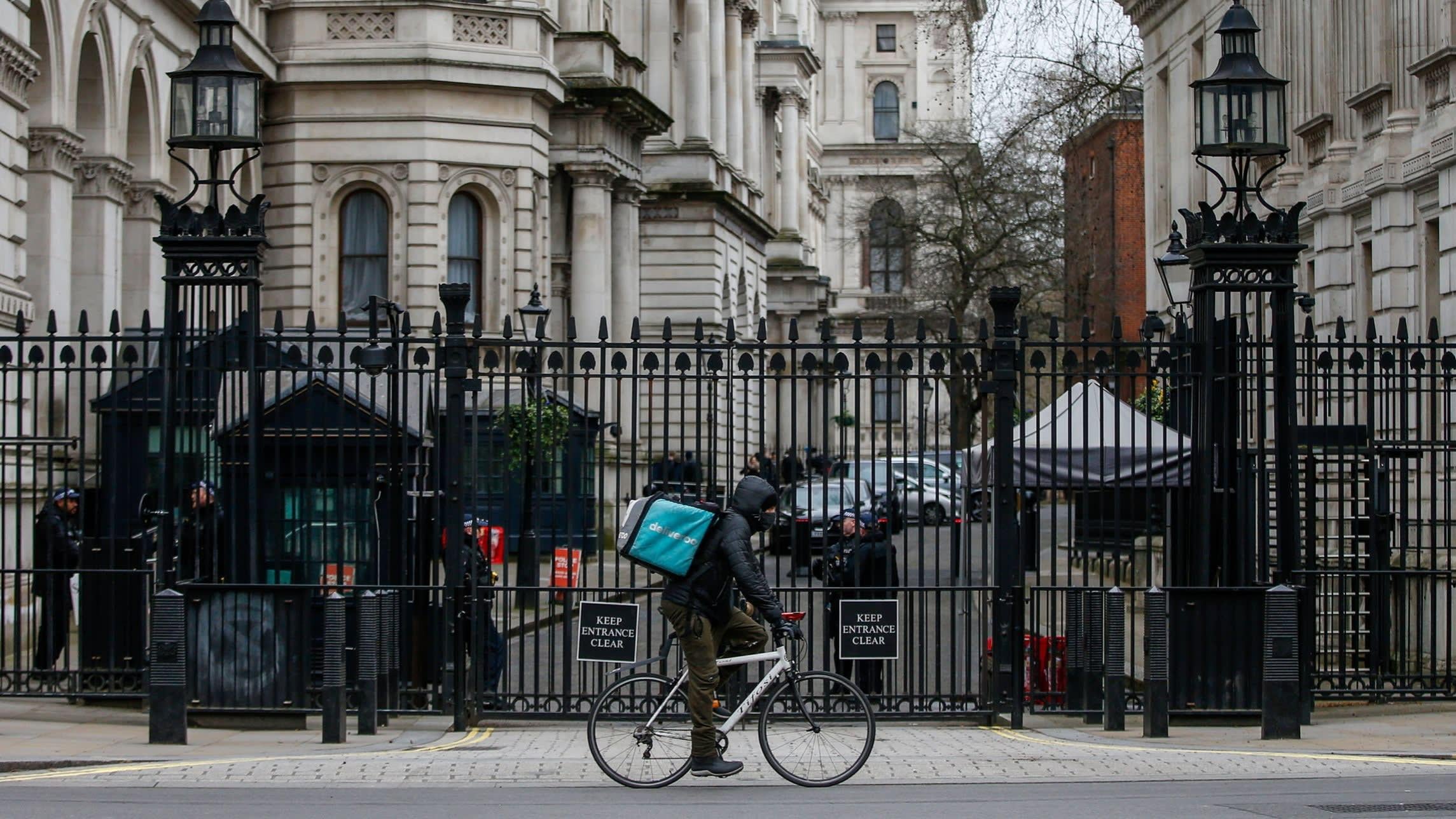
>That modern howl, “nothing works”, which is heard in Germany now as much as in Britain, isn’t right. “Nothing works, compared to Deliveroo, Expedia and Netflix,” is more like it. I don’t suggest that people knowingly contrast an imperfect and slow-moving public realm with private cornucopia. But their expectations of the first have been set by their experience of the second. In other words, those who would blame Silicon Valley for populism are half-right. It is culpable, not for inventing social media, though, but for making so much of life so immediate and frictionless as to raise untenable hopes for the remainder.
>How would we even stand up the idea that government has got worse? Life expectancy has increased, which suggests no great failure of public health. Crime is down since the 1990s, so policing — or social services, if the root of criminality is a child’s environment — can only have been so bad. Twice, in 2008 and 2020, the state softened crises that should have been world-shattering. Even if things have deteriorated at the margins, it can’t account for the scale of the political distemper over the past decade.
>The issue is demand, not supply. The issue is us. Don’t misread this column as second thoughts about capitalism. More stuff for more people, would be my campaign slogan if I ever (accept the ceaseless demands to) run for high office. It is just that part of life is reckoning with the perverse consequences of mostly good things. One answer to populism, of which Tony Blair is the most fluent champion, is to improve government. It is a noble and feasible plan, if also a case of looking through a telescope from entirely the wrong end.
Maximilianne on
I feel like you gotta be the most normie pilled normie to succumb to this account of populism. Like for example if you are or were a PC gamer of the non cloud variety, even back when GPU were affordable, you probably had to wait (or site snipe when new stock came in) and you could never be too picky about which brand of graphics card you got, same with ram, storage etc. Maybe you wanted a Samsung nvne drive you settled for the regular ssds etc. And even when ordering a cosplay costume on aliexpress, given the timelines I get the impression your costume was made after the order (hence why you could have some custom measurements). Even like building a custom bicycle you gotta toil the websites searching throughout shops across the world to get your parts and even then the shipping takes time.

2 Comments
>The test of a great city is this. Are you haunted with doubt as to whether you live in the right part of it? When in Islington, I think, “I should live here.” When in Soho, I think, “I should live here.” When in Chelsea, I think, “This isn’t so far from Marylebone. I should live there.” So off I go to Zoopla to assess my options, toying with the postcodes and price ranges as though fondling mangoes in a market for optimal ripeness. I have no intention of moving but regard endless choice as a birthright.
>Clothes? Asos alone has 435 types of jeans in my size (imagine Temu). Entertainment? Almost all music that has been committed to record can be streamed for zero marginal cost. In 1990, the Sultan of Brunei didn’t have his whims indulged as swiftly as a middle-income person does now.
>Over the same period, government did not — could not — emulate this paradise of choice and responsiveness. The services it provides, such as security, healthcare and education, are knottier. It can’t exclude people from them. Competition is harder to introduce. Mistakes have life-and-death results. Fairness might call for a high minimum standard rather than excellence at the top end.
>The result is an ever wider breach between public and private experience. I wonder if this explains the angry turn that politics has taken over the past decade.
>The theory, if it can be aggrandised with that word, goes like this. Capitalism has raised expectations that are then dashed in almost every interaction with the state. The problem is not bad government (it could be better, but realistically only up to a point) so much as a miraculous private sector. Consumer life has rewired people, sensitising them to inconvenience. That much-heard line from Donald Trump voters — “He’s a businessman, he’ll get things done” — is so revealing about what sits at the core of public frustration.
>Consider immigration for a moment. What angers people about the failure to stop the irregular kind in particular is not just the outcome, which is the presence in their midst of unwanted foreigners. It is the fact of the failure itself: the incomprehensibility of not having a reasonable desire met, at speed. A previous generation might have been more hostile to the migrants themselves but much less vexed at the government’s incompetence, as the rest of their lives were also riddled with inefficiencies. When there were just three television channels and about as many brands of soap, it was easier to be deferent.
>That modern howl, “nothing works”, which is heard in Germany now as much as in Britain, isn’t right. “Nothing works, compared to Deliveroo, Expedia and Netflix,” is more like it. I don’t suggest that people knowingly contrast an imperfect and slow-moving public realm with private cornucopia. But their expectations of the first have been set by their experience of the second. In other words, those who would blame Silicon Valley for populism are half-right. It is culpable, not for inventing social media, though, but for making so much of life so immediate and frictionless as to raise untenable hopes for the remainder.
>How would we even stand up the idea that government has got worse? Life expectancy has increased, which suggests no great failure of public health. Crime is down since the 1990s, so policing — or social services, if the root of criminality is a child’s environment — can only have been so bad. Twice, in 2008 and 2020, the state softened crises that should have been world-shattering. Even if things have deteriorated at the margins, it can’t account for the scale of the political distemper over the past decade.
>The issue is demand, not supply. The issue is us. Don’t misread this column as second thoughts about capitalism. More stuff for more people, would be my campaign slogan if I ever (accept the ceaseless demands to) run for high office. It is just that part of life is reckoning with the perverse consequences of mostly good things. One answer to populism, of which Tony Blair is the most fluent champion, is to improve government. It is a noble and feasible plan, if also a case of looking through a telescope from entirely the wrong end.
I feel like you gotta be the most normie pilled normie to succumb to this account of populism. Like for example if you are or were a PC gamer of the non cloud variety, even back when GPU were affordable, you probably had to wait (or site snipe when new stock came in) and you could never be too picky about which brand of graphics card you got, same with ram, storage etc. Maybe you wanted a Samsung nvne drive you settled for the regular ssds etc. And even when ordering a cosplay costume on aliexpress, given the timelines I get the impression your costume was made after the order (hence why you could have some custom measurements). Even like building a custom bicycle you gotta toil the websites searching throughout shops across the world to get your parts and even then the shipping takes time.