
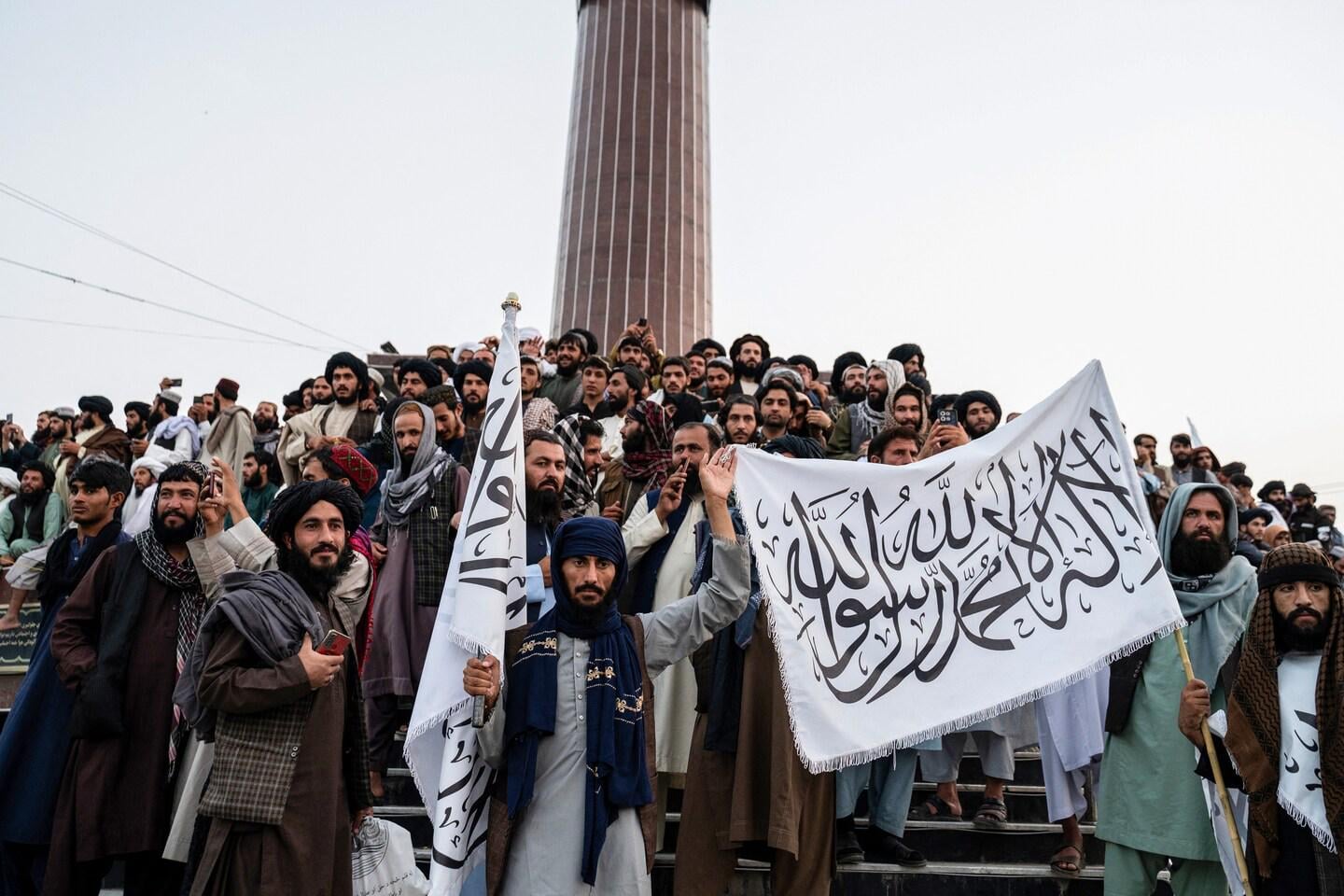
The U.S. government asked a judge this month to deport a father of two to Afghanistan, where he expects the Taliban to kill him. To make its case, the Department of Homeland Security did not accuse him of any crime or disloyalty or act of terrorism. Instead, attorneys argued that Afghanistan — a country U.S. forces rescued him from in 2021 — is safe for his return.
The man, whom The Washington Post is identifying as H because of concern for his safety, has sought asylum because he so publicly supported the United States’ cause in Afghanistan. Before fleeing, he worked for a U.S.-based nonprofit and attended an American university in Kabul.
To undermine his claim, government attorneys argued that the Taliban have allowed those institutions to continue to operate — clear signs, they suggested, that his past would not endanger him if he was deported.
Both institutions, however, have fundamentally transformed since H left them, The Post has found. The nonprofit’s U.S. headquarters closed years before the country collapsed, and its former office in Afghanistan is now under strict Taliban supervision. The university, meanwhile, no longer provides in-person classes, and its campus was seized by the regime, which installed its own school.
The stakes of the case, which will soon resume in a Virginia courtroom, extend to tens of thousands of asylum seekers from Afghanistan whom President Donald Trump’s administration may seek to purge. If Attorney General Pam Bondi or an immigration appellate board dominated by Trump appointees ultimately sides with Homeland Security, legal experts say the case could set a precedent with sweeping consequences for Afghans the U.S. rescued and promised to support.
In a statement to The Post, Assistant Homeland Security Secretary Tricia McLaughlin called H “illegal” and an “unvetted alien from a high threat country,” though she later acknowledged describing him as “illegal” only because her department revoked his parole when it arrested him.
At the hearing, department attorneys noted to the judge that the Taliban had not specifically targeted H before he escaped — compelling evidence, a government attorney claimed, that the militants would not target him now.
That is not true, according to two Taliban experts who spoke to The Post and extensive documentation that details the regime’s systemic abuses.
Posted by John3262005
2 Comments
Surely this will have no impact on local informants and other clandestine cooperation in unfriendly countries
The Trump administration being dishonest? First time I’m hearing of this, truly shocking