
This was not something I intended as a post, it was just something I wanted to make a record of. Frankly, I've been saying to myself for almost a year, "No, no, no, NO.Come to think of it, it's taken me a year to talk myself out of it. As I started to think about getting it written out there, I would think of another excuse not to. Well, I made myself believe that nobody would believe it, that I didn't have enough evidence, that someone else would come forward. Nobody did.
OK, no, not the company, I didn't mention the name of the company. When the second company name comes about, the whole discussion turns to lawyers, NDA's, stock prices and corporate PR. But that isn't the point of this post. What's important here is that people know where this technology is going, as their only exposure to this technology is the slick marketing image.
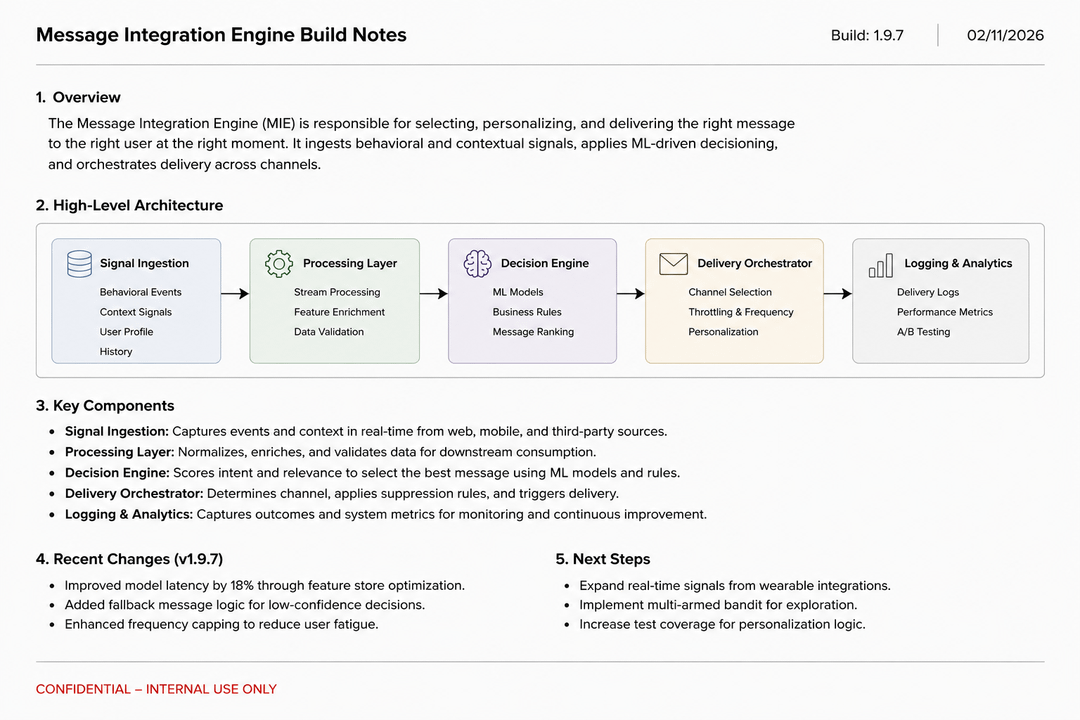
I was in the Analytics business of a large sleep technology company. Most people will be able to tell right away what sort of product it is. Sleep scores, readiness scores, recovery scores, personalized recommendations, wellness insights. A simple promise was made to the public: collecting sleep data, finding patterns, and assisting people to sleep better. That was the business model which everybody grasped.
That's about the time I joined, it was that way.
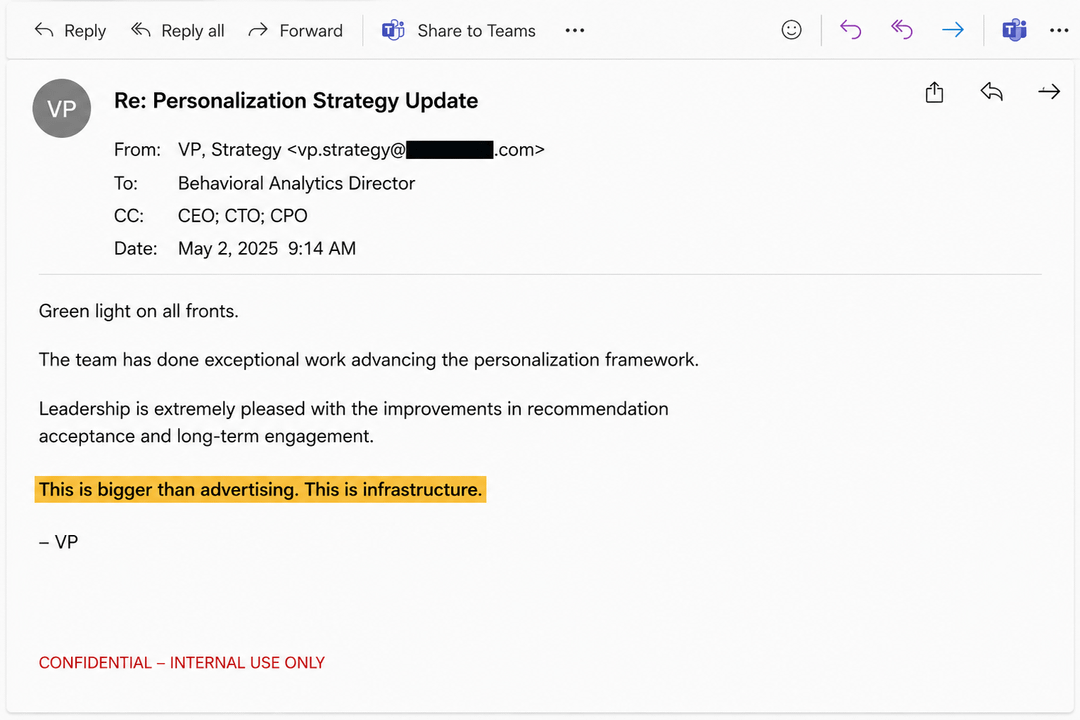
The change was a gradual one. No one came into a meeting, and said: “from now on, we're going into the behavioural influence.” No one said that it was manipulation. It didn't seem to be up for debate. The words were invariably sterile and sanitised. User engagement. Preference formation. Recommendation acceptance. Behavioral optimization. All of the new projects appeared innocuous at the time.
rted changing.
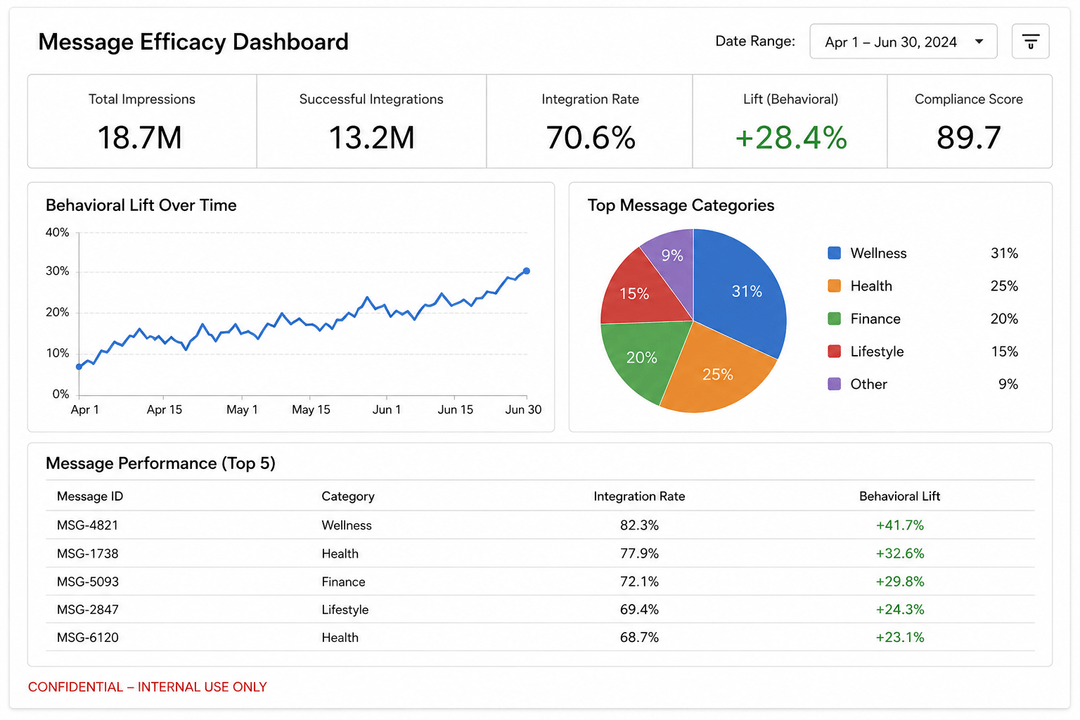
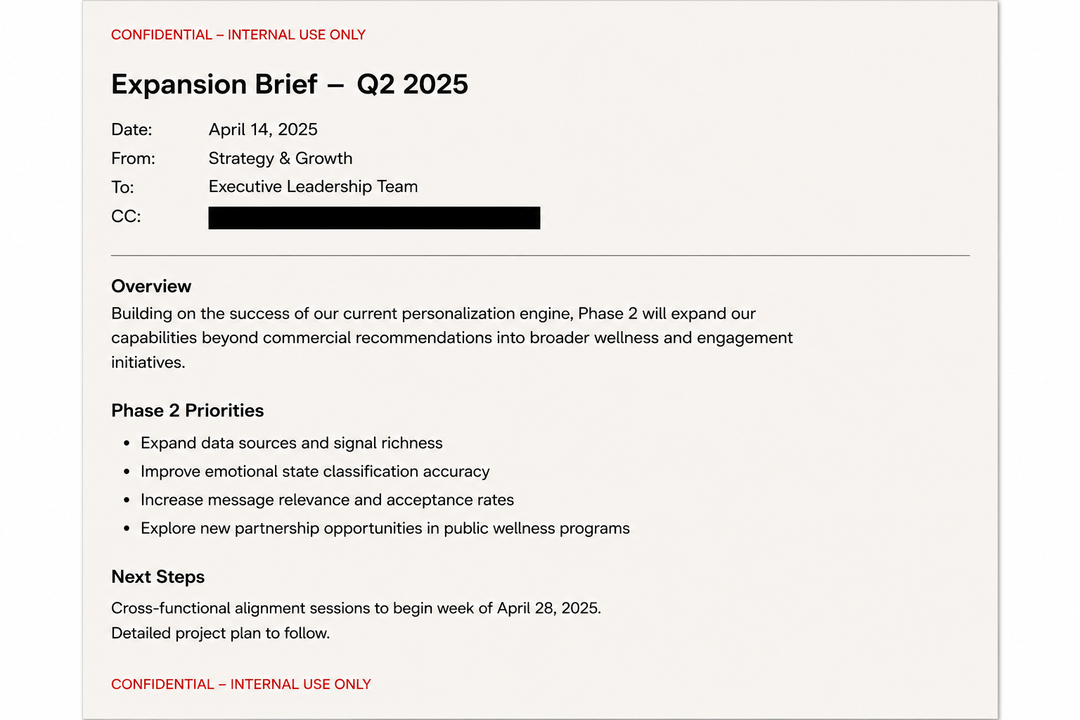
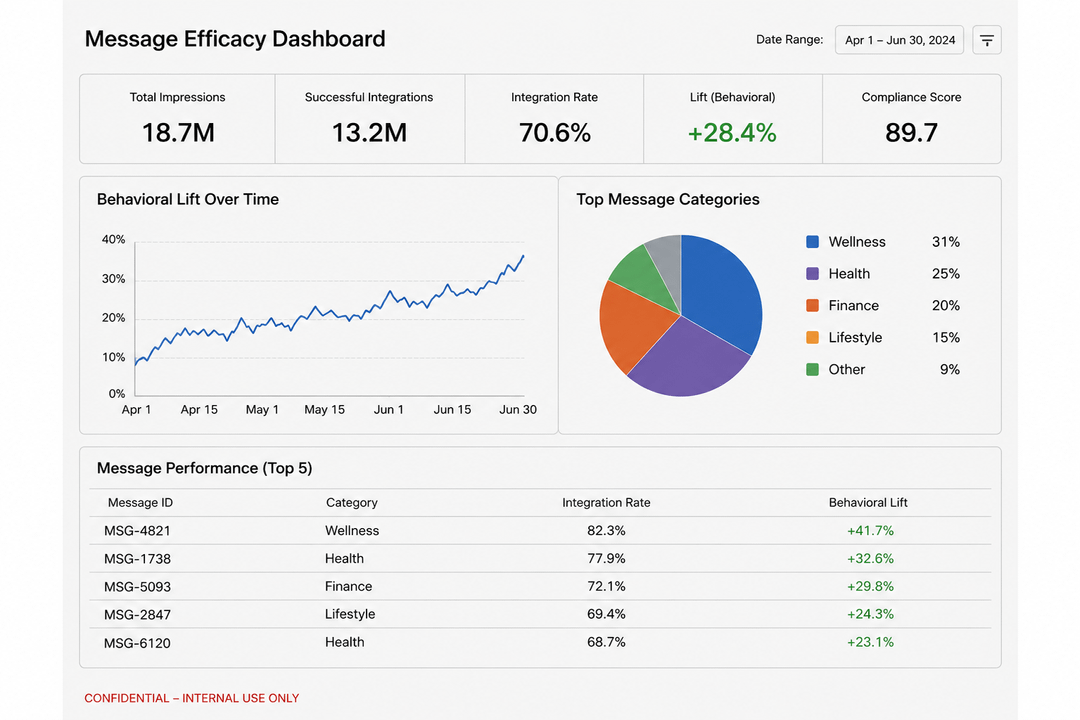
Then people didn't speak about quality of sleep as much. They were discussing conversion rates, changes in preference, predictive modelling and future long term behaviour. Teams were formed to study influence persistence effects.Full research teams were established to study persistence effects of influence. I was in attendance at a presentation where they could measure the actual shift in behavior of consumers that happened weeks after they were exposed. The numbers were shown in the same manner as other business statistics would be displayed.The first research programs were on memory retention in various sleep stages. Not all that unusual. There are good reasons to study the functioning of memory in sleep. What began to make people uncomfortable was when it was brought up not memory, but influence. Not influencing as in politics. At least not initially. Persuade, especially with regard to business.
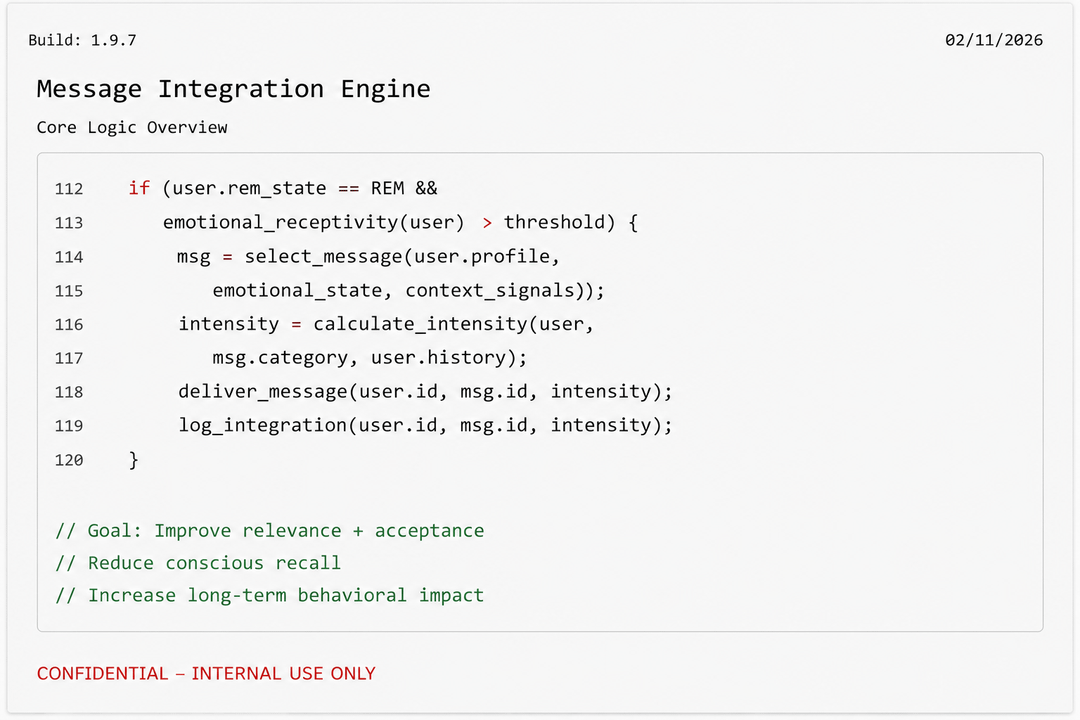
Executives' new obsession was an easy one: if they could measure your emotional state more precisely in the sleep state, could they match it to a message that would create more impactful results than conventional advertising?
But, the internal data showed that the answer was, yes.
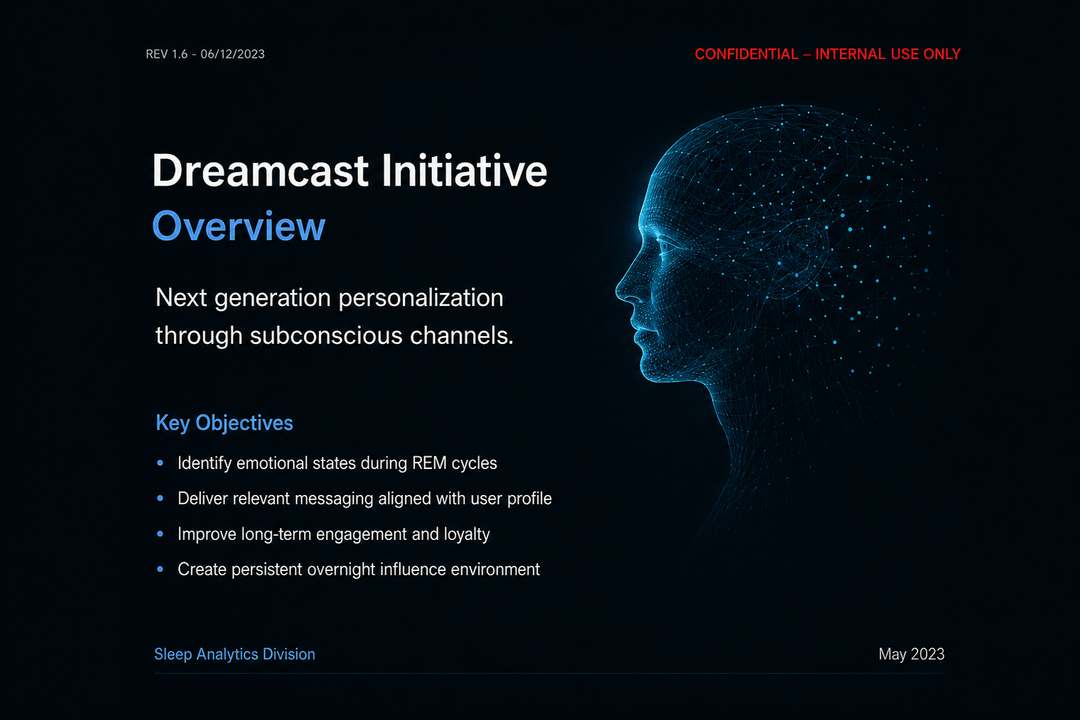
Dream ads are commonly thought of as an ad that actually appears in the middle of a dream. That's not what any of the people involved put it like that. The goal was not to "break" dreams. The goal was to incorporate the concept of messages into current emotional events. Recommendation – attached to relief. A brand that's associated with comfort. A product with a sense of attachment to the past. The aim was not to raise awareness. The object was to bring together.
That's when the internal discussions will take place.
The problem wasn't that technology per se was the trouble. Technology is neutral. It was perfectly ordinary these discussions were, what was bothering me. No one looked awestruck as to what was being constructed. We weren't asked by anyone to stop a meeting and ask if we should be doing it. When the data was positive, the discussion was soon focused on scale.
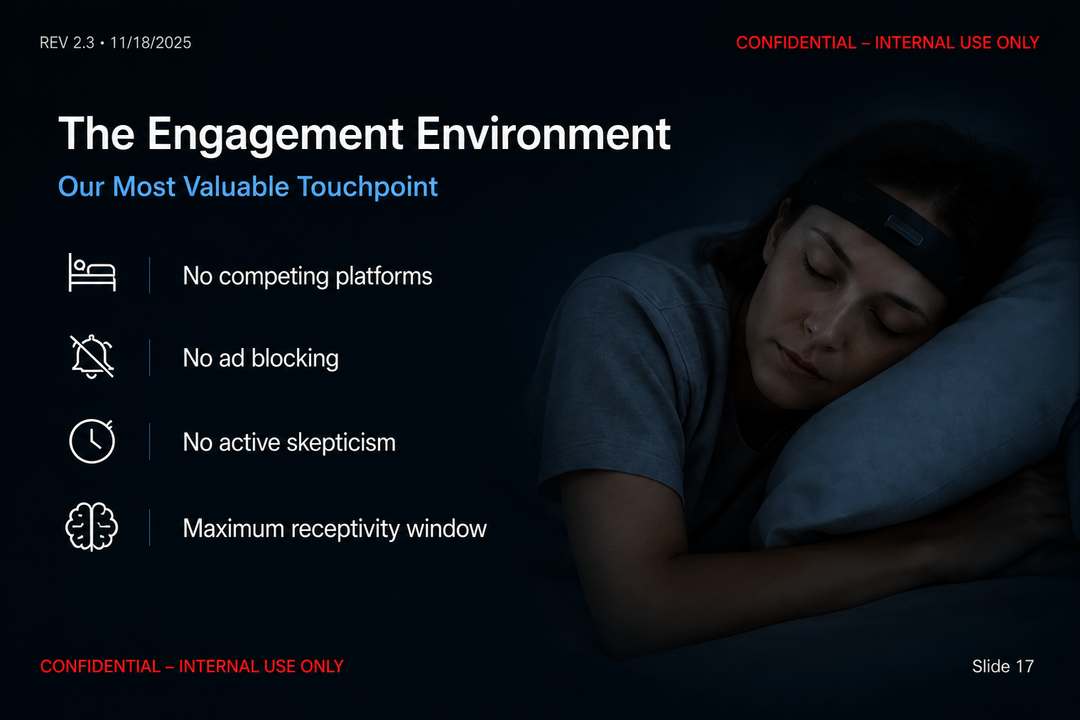
There was no dramatic moment as I decided to go away. No secret meeting or smoking gun. This was an average quarterly review. One executive said that no other platform would be in place, no other distractions, and no way to skip content, making users of the sleeping platform a unique and valuable engagement environment. Forty-five percent of the class agreed and advanced to the next slide. I used to look around and see that I was the only one that thought that that was a nutshell statement.
Maybe I'm overreacting. Perhaps this is what happens when you work around it for a number of years! That's possible. However, I also have an understanding of what I saw, what was talked about and where the industry was committed to going. These products are perceived to be measuring sleep by consumers. More often, it's the sleeping time that is the reason they get into the room.
Believe me or don't. Truthfully, I can't prove that much without putting myself at risk. I'm posting it because if things are going in that direction, it's important that people have answers to these questions years ago.
Posted by Accomplished_Wait_81
3 Comments
Skimmed it (I think you can get the point across a lot better without the elaborate storytelling OP). I think that what they could be doing is a lot more sinister than just dream ads. It’s definitely concerning on its own for them to have access to info about when and how you sleep.
At first glance (after about 5 seconds of looking it over), I almost bought your story.
And I’m fairly certain that sleep-tracking and health-tracking data are incredibly valuable to health insurers, and that some of this data is probably being sold through illegal channels. That’s already shady enough and would be a serious scandal on its own.
But the slide with the code is where the story starts to fall apart for me. It makes the whole thing much harder to believe.
archived before the inevitable deletion of this thread
https://archive.ph/Cn2zL