
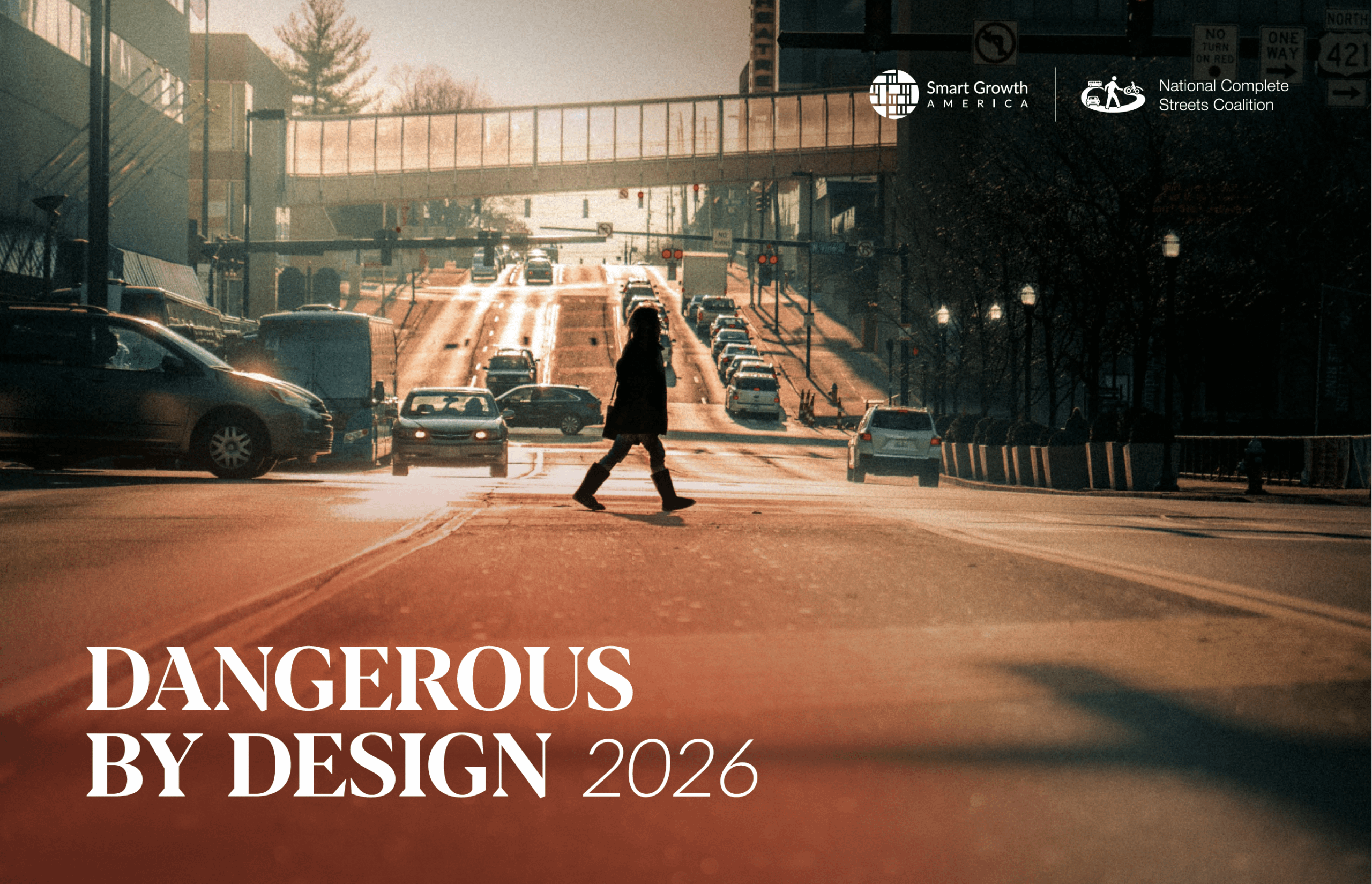
SS: This report takes a data driven approach to the dangers of American roadways. It goes into detail about how these are products of decisions being made. This is relevant to this sub because evidence based policy is what we do and saving lives should be a goal for everyone.
Posted by sleepyrivertroll
1 Comment
I am a transportation engineer who has worked on local and highway projects in Idaho, Washington, Oregon, and California.
>Over half (3,609) of 2024’s pedestrian fatalities took place on state-owned roads. State departments of transportation not only hold incredible amounts of funding and other resources, but they also set statewide design standards and can block much- needed progress on roads that serve both as local main streets and state connectors. If state DOTs acted upon their oft-stated priority of “safety first”, they could save thousands of lives each year.
A very frustrating part of working in the industry is that the states control so many urban “highways”. State DOTs often have design standards that are created for highways and freeways where traffic speeds are high and pedestrians and cyclists are rare. The same standards then get applied to urban highways where they have no business ever being applied. Look at El Camino Real or San Pablo Ave in the Bay Area. Both of those roads are state highways and all work on them has to be approved by Caltrans. Caltrans only recently adopted new standards that allow for some standards to be reduced in urban areas, and there are still major caveats like it not applying to any interchange. The State should relinquish this right-of-way and give it to the cities who are often much more accepting of traffic calming and complete streets measures.
>Look at the IIJA’s standout safety initiatives: Safe Streets and Roads for All (a grant program so small that it barely shows up on the pie chart of the overall federal transportation program),
For how small this program was, it sponsored a huge amounts of projects. I think the article is a little mistaken on their point here. The SS4A program shows how cost effective implementing safety measures are. A little bit of extra concrete is just a fraction of the cost of any highway project, but can make a big difference for the people who use that road every day. Instead of saying our number one goal of infrastructure spending should be safety projects, I would make the argument that we can easily do these projects at a greater scale while still investing in the large capital expenditure projects.
>Instead, safety countermeasures are endlessly debated by policymakers, practitioners, and too much deference is given to community members who lack the technical expertise to back up their opinions. How many cities have experiences like this one from Washington, D.C. where a long-developed project to install a bike lane and make a street safer was blocked because, as the head of the D.C. Department of Transportation put it, “There’s very few people that are a fan of how those [flexposts] look aesthetically.”
Amen. There is something very sick that we give so much power to the people who have the time and energy to attend community engagement meetings. The people who actually need these projects can’t attend these meetings because they have kids, jobs, and other responsibilities. We have completely outsourced our local democracy to retirees.
>This means regularly updating the MUTCD to reflect the latest design guidance, allowing for use of quick-build demonstrations to address the most urgent safety needs, and being willing to consider that the infrastructure designed decades ago is not meeting the needs of communities today.
The MUTCD is updated fairly regularly, and it is just a manual for traffic signs and markings. What we need is to update the AASHTO Greenbook to provide more definitive standards instead of broad ranges that allow for cars to be prioritized, and to update local standards to prioritize lane width reduction, bulbouts to limit crossing distances, daylighting laws, and provide separated bike and pedestrian infrastructure. AASHTO released their guidance on bike facility design last year and it is much better than the Greenbook. Ultimately safer roads start at the City level, not the federal level, but the federal standards can be updated to force cities to change like the ADA did.