
Affordability is a top concern in the upcoming municipal election, but it feels like housing for the middle class is not at the forefront of anyone’s campaign. It should be.
Housing is most people’s single largest monthly expense, yet candidates’ promises are too timid to address the scale of the crisis.
The political logic is understandable: voters in municipal elections are disproportionately both older and homeowners, and policies that could lower home prices are a political third rail.
However, new polling data finds that Canadians understand that home prices are too high to be affordable. Perhaps housing prices aren’t as untouchable as some politicians assume.
The Missing Middle Initiative is a member of the Homes and Growth Coalition, a collection of housing-related organizations dedicated to developing policy solutions to end Canada’s housing crisis. Last month, one of our coalition partners, Data Sciences, conducted a poll of over 4,000 Canadians to help us better understand how Canadians view the crisis, what they think housing policy goals should be and how governments should navigate trade-offs.
Conventional wisdom about keeping home prices from falling doesn’t match what most people prioritize. For every respondent who believed government policy should prioritize keeping home values up, two believed prices should fall. Even among homeowners aged 50 and older, belief in the two values was roughly even. And when asked what the strongest sign would be that the housing crisis was improving, the most popular response was “house prices no longer rising faster than incomes,” which was chosen by half of all Canadians, as well as half of all residents of the Greater Toronto Area.
Based on responses to all priority questions, Data Sciences found that only 15 per cent of respondents could be classified as prioritizing the status quo. Those respondents believe that housing policies should be based on the priorities of protecting property values, preserving neighbourhood character and helping seniors age in place. While this group may be louder and may be disproportionately likely to vote in a municipal election, their overall numbers are quite modest.
Politicians thus have more room to move on housing than they believe, giving them space to make the reforms needed to lower construction costs and increase the supply of new homes.
When evaluating a housing plan, we look for whether it removes barriers to build where demand exists (including in existing neighbourhoods), cuts the absurdly high taxes and fees that drive up costs, and reduces the time it takes from proposals to shovels in the ground.
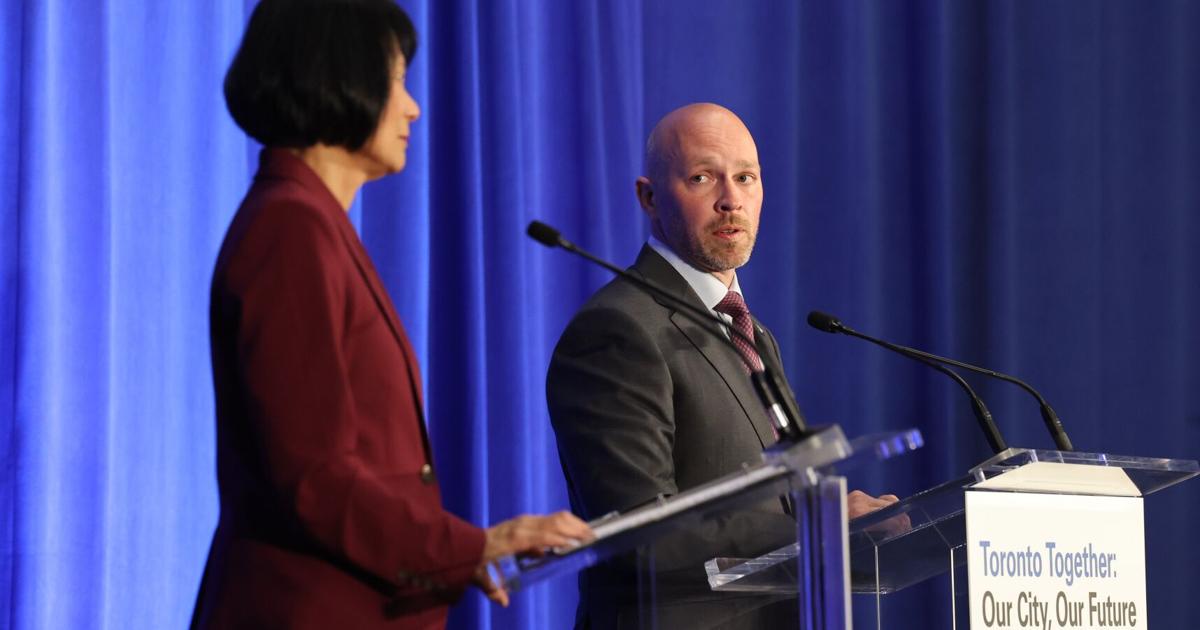
In Toronto’s municipal election, mayoral candidates Brad Bradford and Olivia Chow have both proposed policies to increase affordable housing and reduce renovictions, policies that are vital to renters.
However, our poll shows that while about 80 per cent of renters under 50 aspire to own a home one day, less is being done for them. Neither campaign is highlighting fixing the zoning bylaws that have made multiplexes tough to build despite being technically legal, or allowing bigger buildings in neighbourhoods. To his credit, though, Bradford spearheaded the push to allow fourplexes citywide and has advocated for change throughout most of his time on council. We do wonder whether he can stand up to pushback from the inner suburbs that fought against sixplexes, since those areas are his likely voters.
Chow, like Bradford, supports upzoning on major streets and near transit, but refused to use her strong mayor powers to allow sixplexes citywide, granting exemptions to inner suburbs where lots are often large enough for multiplexes.
One encouraging highlight is Bradford’s land transfer tax (LTT) cut. The respondents of the Data Sciences poll identified “the costs of buying, selling and moving” as the top barrier preventing them from moving; lowering or eliminating the LTT substantially reduces those costs.
If we want more supply, though, candidates should really consider long-term removal of the high taxes, including development charges, that cities place on new developments.
The data is clear: two out of three Canadians believe helping home prices go down is a higher priority than preserving property values. The message to politicians is clear: you can be ambitious with bold ideas to improve affordability. We can only hope that they will listen.
Posted by IHateTrains123
1 Comment
It feels like this article is a couple years late given that home prices and rents have come down significantly over the last few years. I don’t know how much further people are expecting them to come down.