
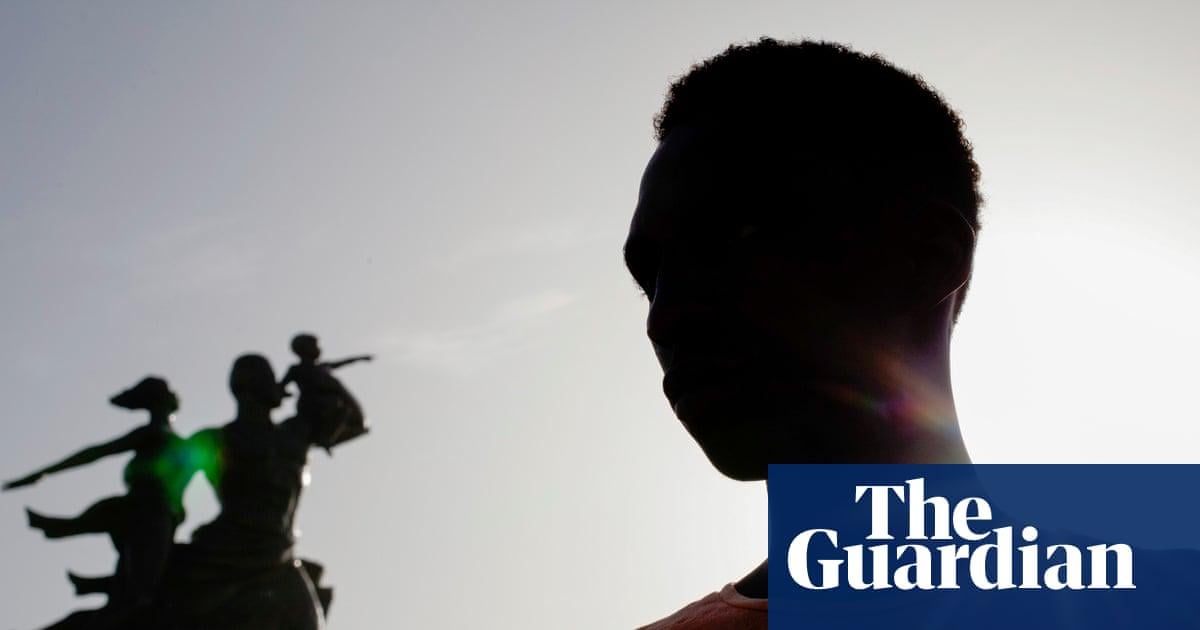
Relevance to the sub: severe backsliding of LGBT+ rights in Senegal and further risks to public health due to intimidation against HIV patients
The left-wing populist party PASTEF, which decisively won the 2024 presidential and legislative elections on the backdrop of a democratic and economic crisis, initiated a brutal crackdown on the LGBT+ community in the name of family values, children's protection and struggle against "imported Western" homosexuality.
The repression was organized by a new law passed in March 2026 that increased fines for "indecent" sexual behavior tenfold and doubled the maximum possible prison sentence for same-sex relations, from five to ten years. Anti-homosexuality laws that had been on the books since Senegal's independence but were rarely enforced, benefitting from a climate of relative indifference until the beginning of the 21st century, when anti-LGBT+ hatred surged under the influence of Islamic fundamentalists and nationalists who cast homosexuality as an instrument of Western imperialism.
The crackdown was backed by popular support and large rallies in favor of the law, which was adopted in the coattails of a national scandal where prominent media personalities were accused of willingly transmitting HIV through same-sex acts, accusations amplified by social conservative and religious groups and which led to a wave of homophobic mob violence across Senegal – with an MP of the ruling party vowing that "homosexuals will no longer breathe in our country".
Hundreds of people, mainly gay men, have since been detained and many others fled the country to escape persecution and what they describe as a "hunt".
Senegal's crackdown is part of a broader wave of anti-LGBT+ repression across Africa, moved by religious revivalism and social conservatism: within the past decade, Niger banned non-heterosexual relations and unleashed a nationwide roundup of LGBT+ people, Ghana's Parliament passed a law severely punishing same-sex activity, and Uganda adopted the death penalty against homosexuals, while repressive legislation remains in discussion in Kenya and Tanzania.
Beyond the direct impact on the individuals targeted, the repression may also damper Senegal's handling of the HIV pandemic, which has devastated many Subsaharan African countries but was exceptionally circumscribed in the country due to then-President Abdou Diouf proactive and outcome-driven response in the 1980-90s. Diouf stressed information to the population rather than shying away from popular stigma, promoted safe sex and enlisted the help of religious leaders to launch a nationwide campaign of prevention and awareness, allowing Senegal to maintain an infection rate under 2% at the peak of the pandemic, and under 1% nowadays.
But provisions within the anti-LGBT+ law threaten lawyers and activists who would attempt to contact and defend targeted individuals, who are themselves less likely to seek treatment, with an observable impact on the attendance of HIV clinics.
“The consequences are really bad and it’s sad because Senegal was a country that was doing well with their HIV response. They are shooting themselves in the foot", lamented Sylvie Beaumont, who works with the NGO HIV Justice Network.
Posted by RaidBrimnes
3 Comments
!ping AFRICA&LGBT
Yet another example of bigoted policies having cascading effects beyond those intended by their promoters. It’s infuriating to watch Senegal blowing up one of their main achievements in this global context of HIV resurgence and aid cuts.
The good old strategy of lynch your minority neighbours when the economy doesn’t do well…
Maybe we should be forcibly imposing our value systems on parts of the third world.