Interesting analysis of *Trump v. US*’s repercussions on military law from a former USAF JAG and a professor of military law at Yale. They do mention the Caribbean boat killings. Excerpt:
> In 2024, the Supreme Court ruled in Trump v. United States that a president is absolutely immune from prosecution for acts within the scope of his core constitutional authority. In the military context, what this could mean is that the other branches of government – Congress and the Judiciary – may not make or enforce any law that would make him criminally liable for any act performed, decision made, or order given in his capacity as commander-in-chief. Although the contours of the Supreme Court’s decision have yet to be fully tested or defined, what is already clear is that – impeachment aside – it effectively places a president above the law and eliminates any legal incentive for him to exercise restraint. This becomes even more dangerous when, as now, a president is ineligible for re-election, since the ballot box does not serve as a check.
> The Supreme Court majority’s rationale was that if a president is subject to prosecution for exercising his exclusive constitutional authority – authority widely understood to include at least some aspects of his role as commander-in-chief – he might be “unduly cautious in the discharge of his official duties.” In her dissent, Justice Sonia Sotomayor offered a couple of military examples – “nightmare scenarios” such as staging a military coup or ordering SEAL Team Six to execute a political rival – to illustrate her conviction that, as a result of the majority’s decision, “the President is now a king above the law.”
> The majority focused on the president’s authority and prerogatives; the dissenters focused on the potential havoc an unrestrained president might wreak. It’s understandable that no one examined the impact of this decision on military personnel who might be ordered to carry out orders for which a president can no longer be held accountable. Understandable because, other than Justice Samuel Alito (who served on active duty in the Army for three months following his law school graduation) no Justice has any military experience. Unfortunately, by failing to consider the impact of its decision on the military, the Court placed the entire burden of dealing with an unbounded commander-in-chief upon those serving in uniform and other federal employees who are subject to his orders.
…
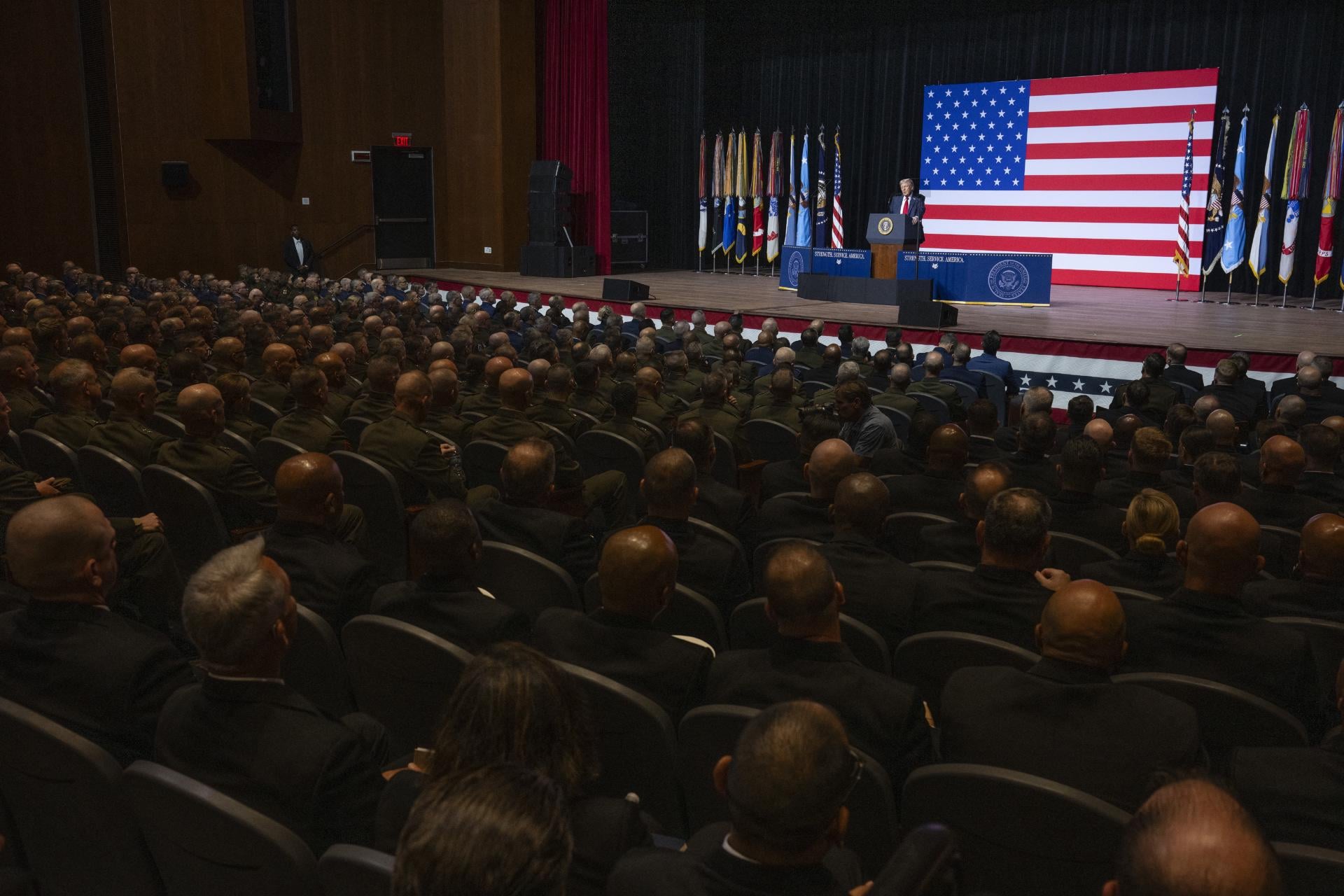
> Americans who cling to the hope that the military will constrain the president’s excesses by disobeying his unlawful orders must recognize that in addition to the confused legal landscape, U.S. military personnel face an unprecedented tsunami of executive actions intended and designed to secure absolute and unquestioning military obedience. Hegseth’s admonition to America’s senior military leaders at Quantico to “do the honorable thing and resign” if his words made their “heart[s] sink,” made it clear that any act of what he considers disloyalty or dissent will be crushed.
> Firing the Judge Advocates General of the Army and Air Force was a signal to the armed forces that the law will no longer constrain military operations. Sending 600 JAGs to serve as immigration judges will further thin the ranks of military attorneys available to help commanders and other affected personnel distinguish lawful from unlawful orders.
> Targeting suspected “narcotrafficker” boats transiting between Venezuela and points north, reportedly killing 21 people to date, without a plausible legal justification has further eroded the idea that military operations must be conducted in lawful ways.
> The subtext in these and many future military decisions, actions, and operations has been and will likely be: the law is what the president says it is.

1 Comment
Interesting analysis of *Trump v. US*’s repercussions on military law from a former USAF JAG and a professor of military law at Yale. They do mention the Caribbean boat killings. Excerpt:
> In 2024, the Supreme Court ruled in Trump v. United States that a president is absolutely immune from prosecution for acts within the scope of his core constitutional authority. In the military context, what this could mean is that the other branches of government – Congress and the Judiciary – may not make or enforce any law that would make him criminally liable for any act performed, decision made, or order given in his capacity as commander-in-chief. Although the contours of the Supreme Court’s decision have yet to be fully tested or defined, what is already clear is that – impeachment aside – it effectively places a president above the law and eliminates any legal incentive for him to exercise restraint. This becomes even more dangerous when, as now, a president is ineligible for re-election, since the ballot box does not serve as a check.
> The Supreme Court majority’s rationale was that if a president is subject to prosecution for exercising his exclusive constitutional authority – authority widely understood to include at least some aspects of his role as commander-in-chief – he might be “unduly cautious in the discharge of his official duties.” In her dissent, Justice Sonia Sotomayor offered a couple of military examples – “nightmare scenarios” such as staging a military coup or ordering SEAL Team Six to execute a political rival – to illustrate her conviction that, as a result of the majority’s decision, “the President is now a king above the law.”
> The majority focused on the president’s authority and prerogatives; the dissenters focused on the potential havoc an unrestrained president might wreak. It’s understandable that no one examined the impact of this decision on military personnel who might be ordered to carry out orders for which a president can no longer be held accountable. Understandable because, other than Justice Samuel Alito (who served on active duty in the Army for three months following his law school graduation) no Justice has any military experience. Unfortunately, by failing to consider the impact of its decision on the military, the Court placed the entire burden of dealing with an unbounded commander-in-chief upon those serving in uniform and other federal employees who are subject to his orders.
…
> Americans who cling to the hope that the military will constrain the president’s excesses by disobeying his unlawful orders must recognize that in addition to the confused legal landscape, U.S. military personnel face an unprecedented tsunami of executive actions intended and designed to secure absolute and unquestioning military obedience. Hegseth’s admonition to America’s senior military leaders at Quantico to “do the honorable thing and resign” if his words made their “heart[s] sink,” made it clear that any act of what he considers disloyalty or dissent will be crushed.
> Firing the Judge Advocates General of the Army and Air Force was a signal to the armed forces that the law will no longer constrain military operations. Sending 600 JAGs to serve as immigration judges will further thin the ranks of military attorneys available to help commanders and other affected personnel distinguish lawful from unlawful orders.
> Targeting suspected “narcotrafficker” boats transiting between Venezuela and points north, reportedly killing 21 people to date, without a plausible legal justification has further eroded the idea that military operations must be conducted in lawful ways.
> The subtext in these and many future military decisions, actions, and operations has been and will likely be: the law is what the president says it is.
!ping MILITARY&LAW