This article deals with mother tongue education for African language speakers in South Africa.
Mother tongue education, and lingua franca policy generally, turns out to be a genuinely pan-African issue. Some countries have opted for a very simple model: speak English/French/Portuguese/Arabic. Others have attempted to celebrate and invest in indigenous African langauges. Recently, in West Africa, Nigeria abandoned an attempt at mother tongue education and switched back to English just as Ghana began experimenting with it.
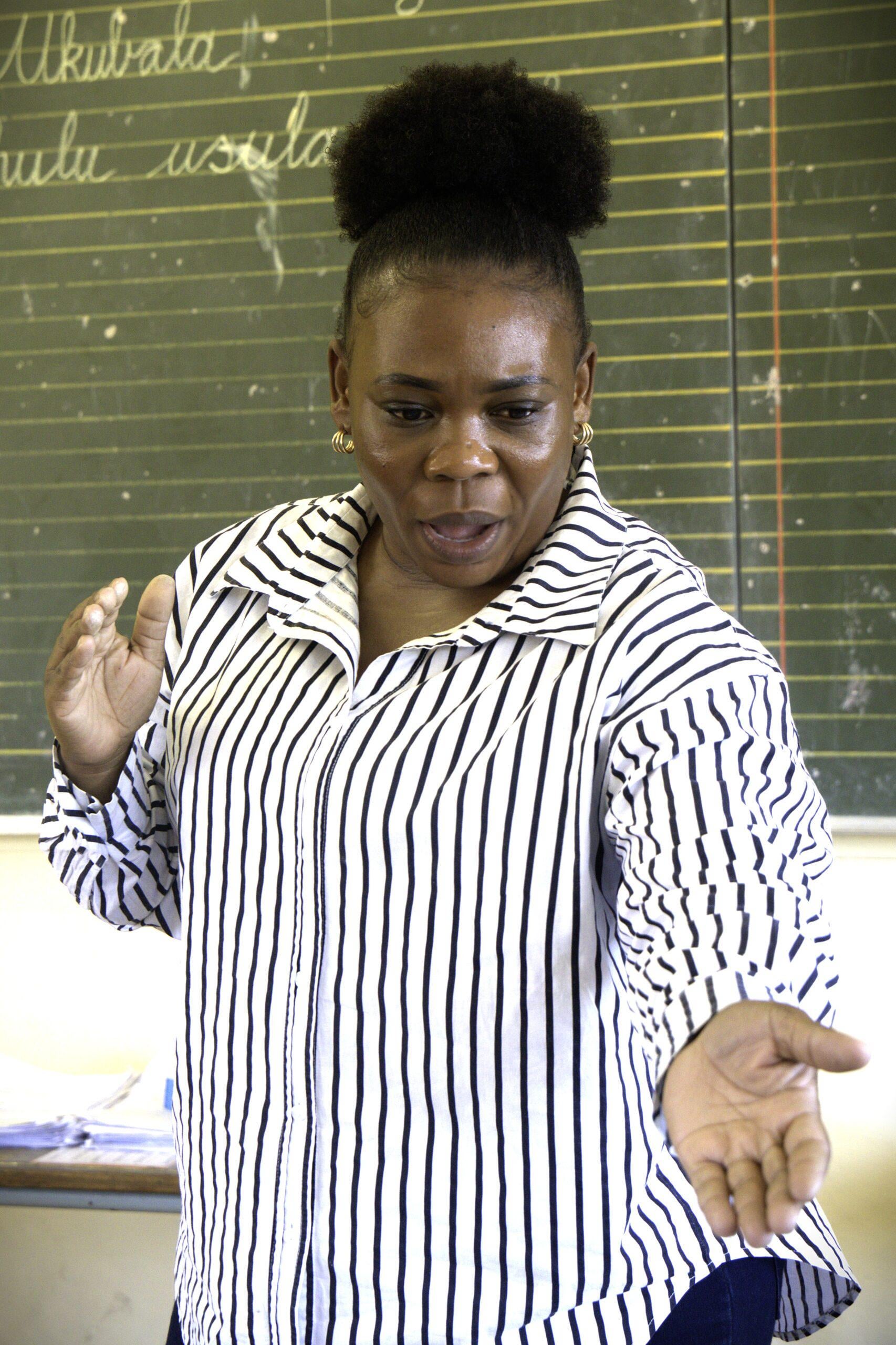
This article deals with an attempt at implementing mother tongue education in an African language in the Eastern Cape province of South Africa. The language is _isiXhosa_ (Xhosa). This means teaching the language at school (reading, comprehension) and then also teaching _in_ the language.
The attempt was a failure. The conclusion from the article is basically that it is a lot harder than people think, and that we are underthinking what it takes to teach in Xhosa. For example, there are decades worth of high quality pedagogical techniques that have been developed for teaching English, like phonics. Xhosa is a different language with different rules and logic. There is not a significant and deep, evidence-based pedagogy of Xhosa, let alone teacher training. You can’t just use what works for English.
The article does not say we should abandon mother tongue education because global research still shows it is superior. Instead it qualifies it and says _it is better when done right_ and that we need to put in a lot of work to do it right. You can’t just casually switch over. They believe we need to invest more in developing materials and training and techniques for teaching African languages.
Xhosa mother tongue speakers who are taught in English outperform Xhosa tongue speakers taught in isiXhosa. Because it is better to be taught your second language well and build on that, than to be taught your mother tongue badly, and then have to build on that.
This piece is relevant to neoliberalism because it discusses childhood education policy, which has an enormous impact on economic outcomes down the line. It is interesting because this is a question that many African countries are asking at the same time, so we can compare and contrast. And it also touches on similar debates around language acquisition that are relevant even in a global context or an American context – like the debate around phonics.
On the basis of this piece and the [Nigeria](https://www.bbc.com/news/articles/cd7rlrzq88wo) one from a few months back, it is looking like the evidence says we are not ready to teach in African languages yet and we need to stick to English.

1 Comment
**Submission statement**
This article deals with mother tongue education for African language speakers in South Africa.
Mother tongue education, and lingua franca policy generally, turns out to be a genuinely pan-African issue. Some countries have opted for a very simple model: speak English/French/Portuguese/Arabic. Others have attempted to celebrate and invest in indigenous African langauges. Recently, in West Africa, Nigeria abandoned an attempt at mother tongue education and switched back to English just as Ghana began experimenting with it.
This article deals with an attempt at implementing mother tongue education in an African language in the Eastern Cape province of South Africa. The language is _isiXhosa_ (Xhosa). This means teaching the language at school (reading, comprehension) and then also teaching _in_ the language.
The attempt was a failure. The conclusion from the article is basically that it is a lot harder than people think, and that we are underthinking what it takes to teach in Xhosa. For example, there are decades worth of high quality pedagogical techniques that have been developed for teaching English, like phonics. Xhosa is a different language with different rules and logic. There is not a significant and deep, evidence-based pedagogy of Xhosa, let alone teacher training. You can’t just use what works for English.
The article does not say we should abandon mother tongue education because global research still shows it is superior. Instead it qualifies it and says _it is better when done right_ and that we need to put in a lot of work to do it right. You can’t just casually switch over. They believe we need to invest more in developing materials and training and techniques for teaching African languages.
Xhosa mother tongue speakers who are taught in English outperform Xhosa tongue speakers taught in isiXhosa. Because it is better to be taught your second language well and build on that, than to be taught your mother tongue badly, and then have to build on that.
This piece is relevant to neoliberalism because it discusses childhood education policy, which has an enormous impact on economic outcomes down the line. It is interesting because this is a question that many African countries are asking at the same time, so we can compare and contrast. And it also touches on similar debates around language acquisition that are relevant even in a global context or an American context – like the debate around phonics.
On the basis of this piece and the [Nigeria](https://www.bbc.com/news/articles/cd7rlrzq88wo) one from a few months back, it is looking like the evidence says we are not ready to teach in African languages yet and we need to stick to English.