
Submission statement: a retrospective of the year 2025 for democracy in Africa: it's bleak. Like the rest of the world, democratization trends on the youngest continent have reversed since the 2010s, and 2025 was no exception.
Elections in Ivory Coast, Cameroon – where the 92 yo President Paul Biya was awarded an eighth term in office -, Guinea, the Central African Republic, Gabon, Togo and Tanzania saw a consolidation of power around incumbent leaders, some beyond any pretense of democratic legitimacy. In this last country, President Samia Suluhu Hassan oversaw the worst event of post-electoral violence on the continent since 2010, when hundreds to thousands of opponents were gunned down and disappeared by security forces as Hassan was proclaimed winner with 98% of the vote.
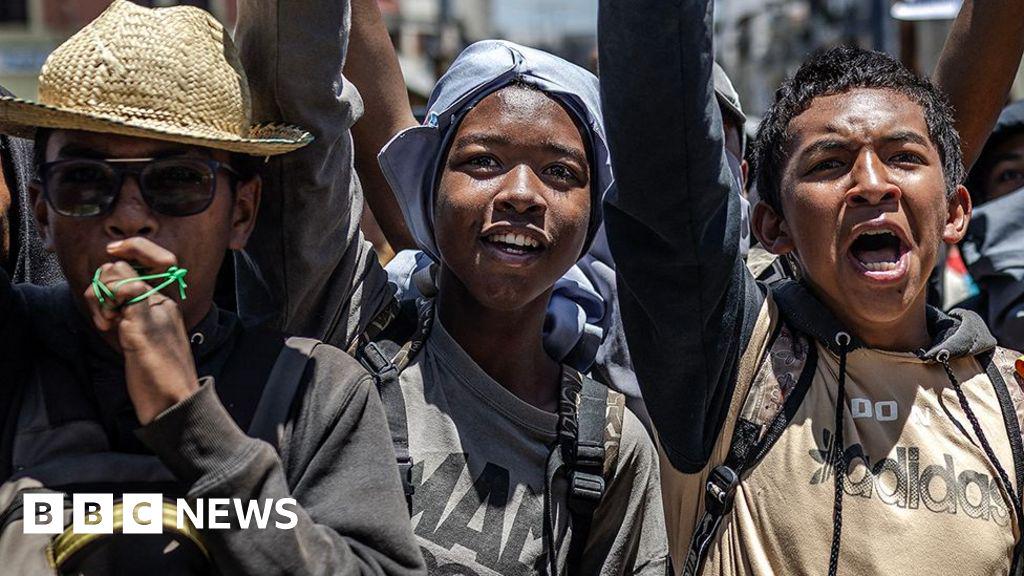
Authoritarianism strenghtened in Tunisia, Egypt, Benin, the Democratic Republic of the Congo, Mozambique or Burkina Faso, while popular protests were met with harsh repression in Kenya, Angola, Morocco and Madagascar, where the army took power in a coup in October following President Rajoelina's refusal to meet popular demands, but the future of the democratic transition remains uncertain. Another successful coup d'etat was carried out in Guinea-Bissau in November, interrupting the electoral process.
To end on a positive note: elections were conducted freely in Gabon (although enshrining the power of a military leader), Mauritius, Malawi and the Seychelles; in the latter two, former leaders returned to power in violence-free handovers of power. In Benin, where outgoing President Talon has overseen an authoritarian slide, an attempted coup by army factions in December was decisively thwarted by Beninese loyalists in coordination with ECOWAS and France, the first such coup in West Africa to be averted after years of military takeovers in the region.
Posted by RaidBrimnes
1 Comment
!ping AFRICA&DEMOCRACY