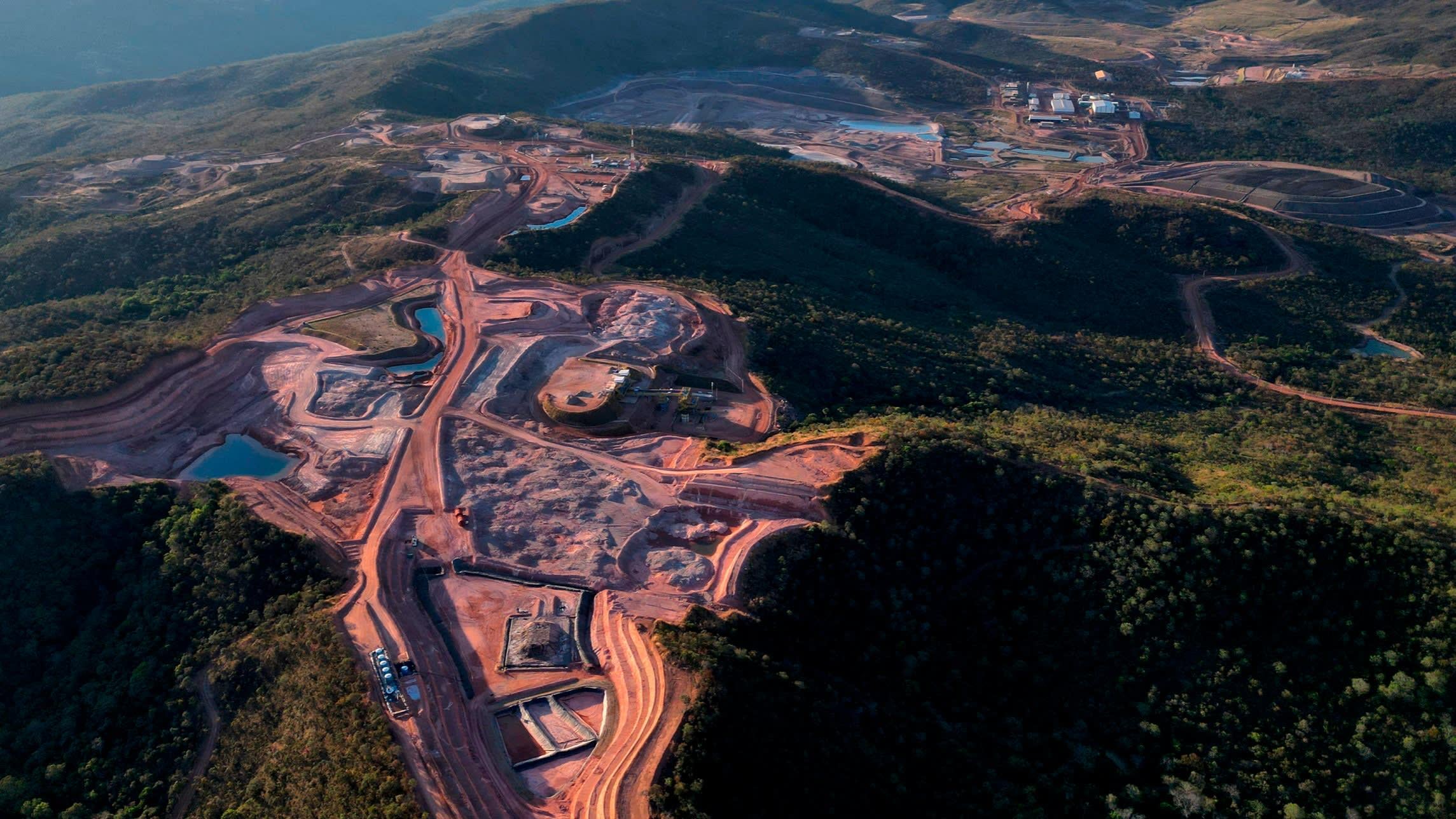
Brazil’s vast but underdeveloped rare earth reserves are attracting renewed US interest. Brazil holds the world’s second-largest reserves. Talks have gained momentum following improved US-Brazil relations after a period of trade disputes and sanctions linked to former president Jair Bolsonaro. Despite bureaucratic hurdles and geopolitical frictions, analysts expect a US-Brazil critical minerals deal, viewing it as mutually beneficial and strategically urgent.
SomethingLikeaLawyer on
A very important thing about the rare earths discourse is that mining and extraction isn’t the largest bottleneck – it’s refining. Actually building the industry needed to not only extract, but refine rare earths is going to take time. It’s dirty and taxing, but it can be done. But given the US’s relatively short attention span, the actual nitty-gritty seems like it would elude them.
datums on
There’s no business model for large scale rare earths production outside of China. The investment required is in the tens of billions, there will be massive public opposition to creating that much environmental damage anywhere, and the timeline for producing real volume is 15+ years. It’s also *very* difficult to get it right, and requires a highly skilled and specialized workforce that you would have to create almost from scratch.
And China will still be able to do it cheaper and *better*.
The only circumstance under which you could make money doing that is if China cut us off completely for a very long time. And they’re not going to do that – they will continue to use that weapon in a very targeted way that makes dependence more sensible than competition.
So unless some government(s) want to sink massive amounts of money into an unprofitable industry, it’s never going to happen. And that’s probably not a great idea, because we’ll still be dependent on China for other critical items like pharmaceutical precursors (and increasingly finished products) and semiconductors.

3 Comments
Brazil’s vast but underdeveloped rare earth reserves are attracting renewed US interest. Brazil holds the world’s second-largest reserves. Talks have gained momentum following improved US-Brazil relations after a period of trade disputes and sanctions linked to former president Jair Bolsonaro. Despite bureaucratic hurdles and geopolitical frictions, analysts expect a US-Brazil critical minerals deal, viewing it as mutually beneficial and strategically urgent.
A very important thing about the rare earths discourse is that mining and extraction isn’t the largest bottleneck – it’s refining. Actually building the industry needed to not only extract, but refine rare earths is going to take time. It’s dirty and taxing, but it can be done. But given the US’s relatively short attention span, the actual nitty-gritty seems like it would elude them.
There’s no business model for large scale rare earths production outside of China. The investment required is in the tens of billions, there will be massive public opposition to creating that much environmental damage anywhere, and the timeline for producing real volume is 15+ years. It’s also *very* difficult to get it right, and requires a highly skilled and specialized workforce that you would have to create almost from scratch.
And China will still be able to do it cheaper and *better*.
The only circumstance under which you could make money doing that is if China cut us off completely for a very long time. And they’re not going to do that – they will continue to use that weapon in a very targeted way that makes dependence more sensible than competition.
So unless some government(s) want to sink massive amounts of money into an unprofitable industry, it’s never going to happen. And that’s probably not a great idea, because we’ll still be dependent on China for other critical items like pharmaceutical precursors (and increasingly finished products) and semiconductors.