>The United Arab Emirates tried to persuade neighboring states including Saudi Arabia and Qatar to take part in a coordinated military response to Iran’s strikes and was left frustrated when they refused, according to people familiar with the matter.
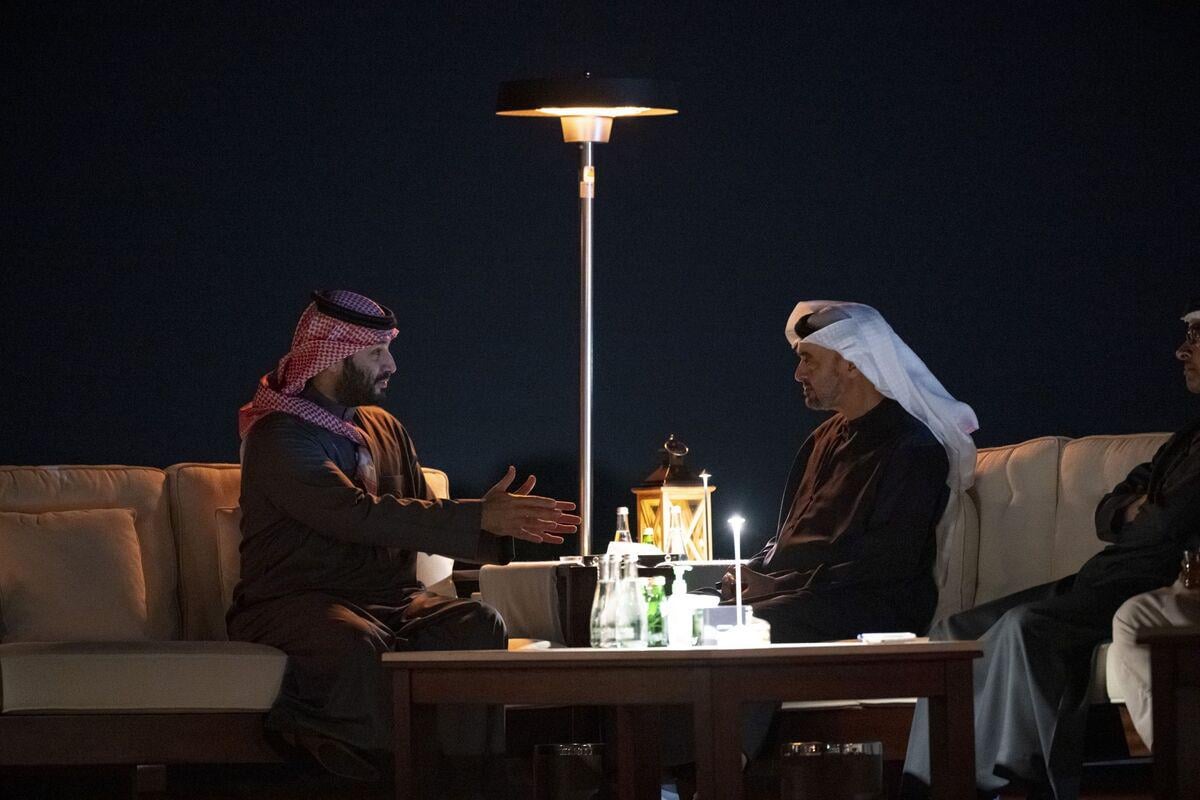
>UAE President Sheikh Mohammed bin Zayed held a series of calls with fellow leaders, including Saudi Crown Prince Mohammed bin Salman, shortly after the US and Israel began bombing Iran on Feb. 28, said the people, who asked not to be identified discussing private conversations.
>MBZ, as the UAE president is known, was convinced of the need to retaliate as a group to deter Iran, the people said, as the Islamic Republic responded to US-Israeli attacks by firing hundreds of drones and missiles at Gulf countries. Tehran targeted ports and airports as well as residential towers and hotels across the region. Iran also all but closed the vital Strait of Hormuz, forcing Gulf states to curb oil and natural gas production and [denting their finances](https://www.bloomberg.com/news/articles/2026-03-15/gulf-economies-at-risk-of-worst-strife-since-1990s-on-iran-war).
>While MBZ quickly opted to work with US President Donald Trump’s administration and the Israelis, his Gulf Arab counterparts told him this wasn’t their war, according to one person familiar with Abu Dhabi’s thinking. An already fractious relationship between the UAE and Saudi Arabia worsened as a result.
>During the calls, the UAE President reminded his counterparts that the Gulf Cooperation Council, a six-country body, was founded in 1981 specifically because of threats posed to them by Iran’s Islamic revolution two years previously, the person said.
>The previously unreported details help explain the UAE’s anger with fellow Arab states, culminating in its momentous decision to leave the OPEC cartel in late April, as well as its closer relations with Israel.
>Spokespeople for the UAE and Saudi governments didn’t respond to Bloomberg requests for comment.
>The UAE, which established diplomatic relations with Israel as part of the US-brokered Abraham Accords in 2020, became the country most targeted by Iran during the war, which has been in a state of fragile ceasefire since April 8.
>Even so, the UAE’s leadership felt no country in the Gulf was suffering the same scale of attacks as it was.
>The UAE and Israel worked closely together on early detection and interception of Iranian attacks, intelligence sharing and target coordination inside Iran, added one of the people. MBZ held a rare phone call with Israel’s Prime Minister Benjamin Netanyahu this month, according to both governments. Israel Israel Sent Iron Dome Systems to UAE: US Amb. Huckabee Iron Dome air defense batteries to the UAE, along with personnel to operate them, US Ambassador to Israel Mike Huckabee said earlier this week.
>Saudi Arabia also opted to strike Iran in March, according to other people familiar with the matter, who asked not to be named given the sensitivity of the matter. Riyadh then pivoted to getting Pakistan to mediate between the US and Iran, they said.
>Qatar considered retaliating after Iran hit Ras Laffan, the world’s largest LNG plant, in mid-March, according to a Gulf official. Doha ultimately decided against the move, favoring playing a role in de-escalation, the official said.
>Bahrain and Kuwait, which generally act in lockstep with Saudi Arabia, opted to stay out of the conflict, according to a separate person familiar with the matter. Oman was never realistically likely to join given its closer ties to Iran, people with knowledge of the situation said.
>Bahrain, Kuwait and Oman didn’t immediately respond to requests for comment.
>Trump’s administration was aware of the UAE-led Gulf deliberations and wanted the Saudis and Qataris to join a coordinated military response, one person familiar with the matter said.
>All three of those Gulf nations tried to dissuade Trump from starting the war, fearing that Iran would lash out against them and the US bases they host. In the previous few years, they worked to improve ties with Iran, hoping that would stabilize the region and boost investment in their economies.
Standard_Ad7704 on
SS:
* MBZ unsuccessfully lobbied neighboring Gulf states, including Saudi Arabia and Qatar, to join a unified military response against Iran following US and Israeli strikes.
* While the UAE launched limited independent attacks and partnered closely with the US and Israel on air defense, other Gulf nations largely opted out of the conflict or favored de-escalation efforts, despite suffering damage to their own infrastructure from Iranian projectiles.
* The refusal of fellow Gulf Cooperation Council members to back the UAE exacerbated existing tensions, directly contributing to Abu Dhabi’s momentous decision to leave the Saudi-led OPEC cartel and review its membership in regional bodies.

2 Comments
>The United Arab Emirates tried to persuade neighboring states including Saudi Arabia and Qatar to take part in a coordinated military response to Iran’s strikes and was left frustrated when they refused, according to people familiar with the matter.
>UAE President Sheikh Mohammed bin Zayed held a series of calls with fellow leaders, including Saudi Crown Prince Mohammed bin Salman, shortly after the US and Israel began bombing Iran on Feb. 28, said the people, who asked not to be identified discussing private conversations.
>MBZ, as the UAE president is known, was convinced of the need to retaliate as a group to deter Iran, the people said, as the Islamic Republic responded to US-Israeli attacks by firing hundreds of drones and missiles at Gulf countries. Tehran targeted ports and airports as well as residential towers and hotels across the region. Iran also all but closed the vital Strait of Hormuz, forcing Gulf states to curb oil and natural gas production and [denting their finances](https://www.bloomberg.com/news/articles/2026-03-15/gulf-economies-at-risk-of-worst-strife-since-1990s-on-iran-war).
>While MBZ quickly opted to work with US President Donald Trump’s administration and the Israelis, his Gulf Arab counterparts told him this wasn’t their war, according to one person familiar with Abu Dhabi’s thinking. An already fractious relationship between the UAE and Saudi Arabia worsened as a result.
>During the calls, the UAE President reminded his counterparts that the Gulf Cooperation Council, a six-country body, was founded in 1981 specifically because of threats posed to them by Iran’s Islamic revolution two years previously, the person said.
>The previously unreported details help explain the UAE’s anger with fellow Arab states, culminating in its momentous decision to leave the OPEC cartel in late April, as well as its closer relations with Israel.
>The UAE carried out [limited attacks ](https://www.bloomberg.com/news/articles/2026-05-12/uae-is-said-to-have-struck-iran-as-it-deepens-ties-with-israel)against Iran without Gulf support starting in early March and again in April, people familiar with the matter have said.
>Abu Dhabi then shocked the oil world by leaving [OPEC](https://www.bloomberg.com/news/articles/2026-04-28/uae-exit-blindsides-opec-and-threatens-to-shake-its-grip-on-oil), the cartel led by Saudi Arabia, and is reviewing its membership of regional bodies including the GCC. Beyond the frictions caused by the Iran war, the UAE and the kingdom are economic rivals and have been at odds over conflicts in Yemen and Sudan.
>Spokespeople for the UAE and Saudi governments didn’t respond to Bloomberg requests for comment.
>The UAE, which established diplomatic relations with Israel as part of the US-brokered Abraham Accords in 2020, became the country most targeted by Iran during the war, which has been in a state of fragile ceasefire since April 8.
>Tehran fired almost 3,000 drones and missiles at the UAE before the truce was agreed, though the vast majority were intercepted by a multi-layered air defense system. It sent more projectiles last week and struck the key oil port of [Fujairah](https://www.bloomberg.com/news/articles/2026-03-16/uae-s-fujairah-port-hit-again-damage-is-being-assessed).
>Qatar, Kuwait, Bahrain, Saudi Arabia and Oman all came under regular attack, including on their energy facilities. One strike on Qatar’s liquefied natural gas plant caused [billions of dollars of damage](https://www.bloomberg.com/news/articles/2026-03-19/iran-strike-to-cost-qatarenergy-20-billion-a-year-in-lost-sales) and will take years to repair, according to the Qatari government.
>Even so, the UAE’s leadership felt no country in the Gulf was suffering the same scale of attacks as it was.
>The UAE and Israel worked closely together on early detection and interception of Iranian attacks, intelligence sharing and target coordination inside Iran, added one of the people. MBZ held a rare phone call with Israel’s Prime Minister Benjamin Netanyahu this month, according to both governments. Israel Israel Sent Iron Dome Systems to UAE: US Amb. Huckabee Iron Dome air defense batteries to the UAE, along with personnel to operate them, US Ambassador to Israel Mike Huckabee said earlier this week.
>Saudi Arabia also opted to strike Iran in March, according to other people familiar with the matter, who asked not to be named given the sensitivity of the matter. Riyadh then pivoted to getting Pakistan to mediate between the US and Iran, they said.
>The UAE was frustrated it was not sufficiently consulted about the Pakistan-led diplomatic effort, one person said. Abu Dhabi [refused to extend ](https://www.bloomberg.com/news/articles/2026-04-06/uae-s-surprise-3-billion-loan-move-puts-pakistan-under-strain)a $3 billion loan to Islamabad in early April, and Saudi Arabia subsequently [stepped in](https://www.bloomberg.com/news/articles/2026-04-21/pakistan-receives-1-billion-saudi-boost-as-uae-seeks-repayment) to help the Asian nation repay some of the money.
>Qatar Considered Attack
>Qatar considered retaliating after Iran hit Ras Laffan, the world’s largest LNG plant, in mid-March, according to a Gulf official. Doha ultimately decided against the move, favoring playing a role in de-escalation, the official said.
>Bahrain and Kuwait, which generally act in lockstep with Saudi Arabia, opted to stay out of the conflict, according to a separate person familiar with the matter. Oman was never realistically likely to join given its closer ties to Iran, people with knowledge of the situation said.
>Bahrain, Kuwait and Oman didn’t immediately respond to requests for comment.
>Trump’s administration was aware of the UAE-led Gulf deliberations and wanted the Saudis and Qataris to join a coordinated military response, one person familiar with the matter said.
>All three of those Gulf nations tried to dissuade Trump from starting the war, fearing that Iran would lash out against them and the US bases they host. In the previous few years, they worked to improve ties with Iran, hoping that would stabilize the region and boost investment in their economies.
SS:
* MBZ unsuccessfully lobbied neighboring Gulf states, including Saudi Arabia and Qatar, to join a unified military response against Iran following US and Israeli strikes.
* While the UAE launched limited independent attacks and partnered closely with the US and Israel on air defense, other Gulf nations largely opted out of the conflict or favored de-escalation efforts, despite suffering damage to their own infrastructure from Iranian projectiles.
* The refusal of fellow Gulf Cooperation Council members to back the UAE exacerbated existing tensions, directly contributing to Abu Dhabi’s momentous decision to leave the Saudi-led OPEC cartel and review its membership in regional bodies.