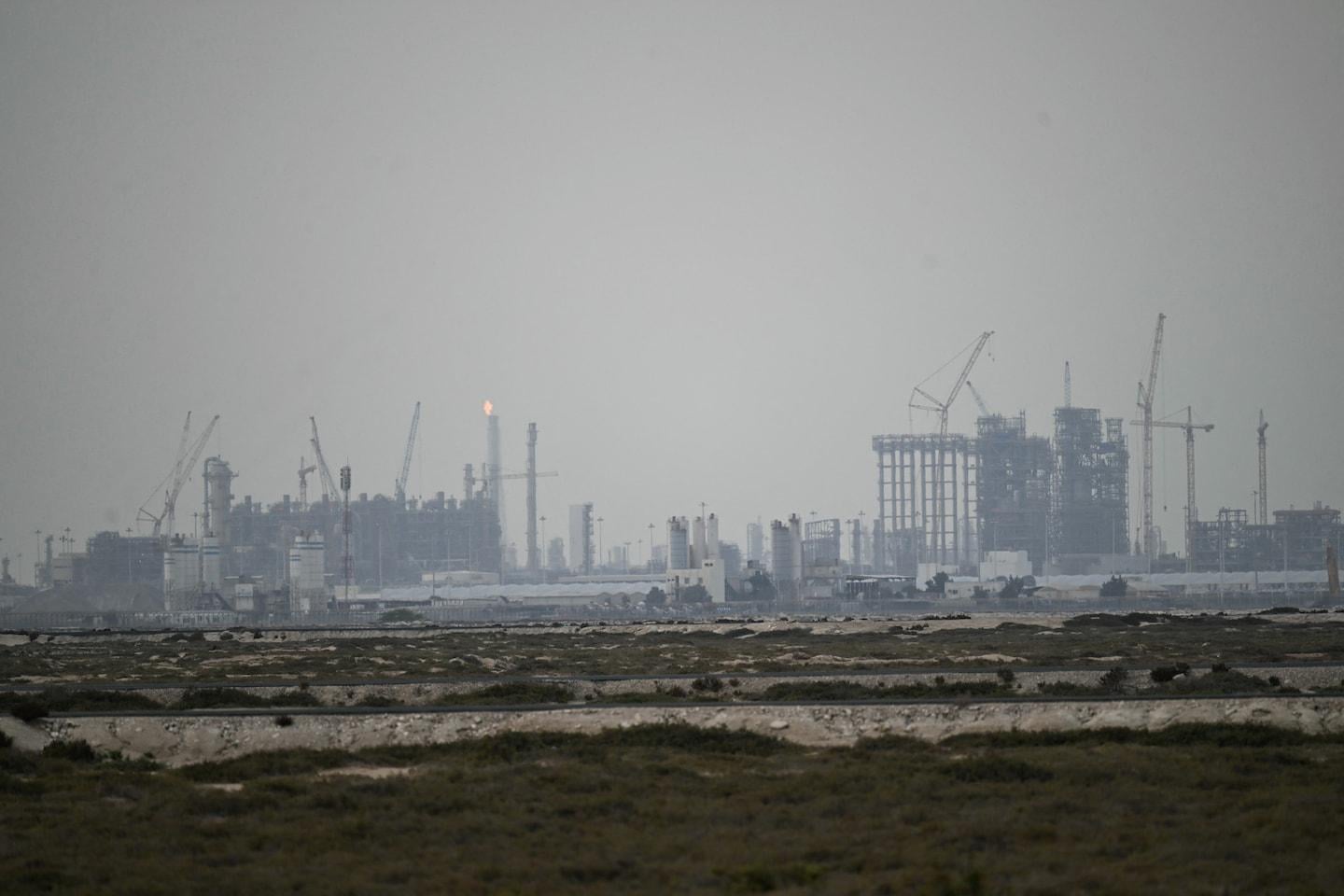
>The missile attack that Iran launched against Qatar in mid-March sent plumes of smoke rising from the largest natural-gas production facility in the world.
>It destroyed sections of a plant that provides nearly a fifth of the globe’s gas supply, imperiled multibillion-dollar contracts with China and other clients, and damaged the prospects of finding an earlier end to the war by dragging Qatar, a key mediator between the United States and Iran, into the fight.
>There was an additional, hidden consequence. The strike also dashed secret efforts by Qatar to keep its gas complex, known as Ras Laffan, off Iran’s target list, according to Middle Eastern security officials and Western officials briefed on the intelligence.
>Seeking to protect its economic crown jewel, these officials said, Qatar approached Tehran at the start of the war to present a mutually beneficial arrangement: Iran would refrain from hitting Ras Laffan, and Qatar would halt gas production unilaterally — a move that would send energy prices soaring and put economic pressure on the United States and Israel to shorten the war.
>Qatar presented what amounted to a “secret deal,” said a senior regional security official, vowing to use leverage over gas supplies to help bring the war to a swift end while seeking Iran’s commitment on “one condition: you are not going to attack us.”
>A second official with access to the same intelligence said that Qatar’s message to Iran was that “you will achieve your objectives without striking us.” The officials were among several who spoke on the condition of anonymity to discuss information gleaned from intercepted communications and other intelligence.
>Qatar did not secure a commitment from Iran, officials said. The sequence that followed, however, indicated that the possibility of a tacit understanding remained on track, at least temporarily.
>Qatar closed Ras Laffan on the third day of the war as Iran launched hundreds of missiles and armed drones at targets across the Gulf. At the time, Qatar attributed the move to “military attacks on … operating facilities.” Satellite imagery later examined by The Washington Post showed no evident damage at Ras Laffan.
>Statements by Qatari officials amplified anxieties in global energy markets, including a warning from the country’s energy minister that the war would “bring down the economies of the world.”
>In response to questions from The Post, Qatar denied pursuing any secret arrangement with Iran and said its decision to halt production at Ras Laffan was driven solely by the threat of attacks and concern for workers and infrastructure at a facility that is the lifeblood of the country’s economy.
>“Any suggestion that operational decisions relating to energy production were — or have ever been — made in coordination with Iran, for Iran’s benefit, or to influence the course of the war is categorically false,” Qatar’s international media office said in a written statement.
>Qatar described the allegation as an effort “to sabotage ongoing efforts to mediate an end to the conflict, damage Qatar’s reputation and undermine the strategic partnership between Qatar and the United States.”
>Qatar’s alleged back-channel effort, which has not been reported previously, provides a glimpse into what security officials described as the ways that Gulf states have sought to spare themselves amid the region’s worst war in a generation. Qatar, a tiny emirate that juts out into the Gulf, is more vulnerable than most but also has levers to pull on both sides of the conflict.
>Qatar maintains close contacts with leaders in Iran as part of its role as a regional mediator. It allows leaders of the Iranian-backed militant group Hamas to maintain a presence in Doha, and shares access to the world’s largest field of natural gas deposits with Iran.
>At the same time, Qatar has fostered deep ties to the United States. Its al-Udeid Air Base is the largest U.S. military compound in the region. Much of Qatar’s energy infrastructure is jointly owned and operated with ExxonMobil and other U.S. companies. After President Donald Trump was reelected, Doha presented a $400 million Boeing 747 as a “gift” that is now being refurbished as an upgrade to Air Force One.
>Qatar’s alleged outreach to Iran also underscores the extent to which Gulf countries viewed their sway over energy supplies as leverage from the war’s outset — though it has been Iran, through its stranglehold on the Strait of Hormuz, that has proven most adept at taking maximum advantage.
>U.S. officials said the CIA and senior Trump administration officials were aware of the foreign intelligence on Qatar’s outreach to Iran, a move that might be perceived as undermining U.S.-Israeli objectives in their military campaign.
>But there has been no indication of a rupture in Doha’s relationship with Washington. In a social media post last month, Trump said he had opted against resuming strikes on Iran after appeals from Gulf monarchs he listed by name, starting with Qatari Emir Tamim bin Hamad Al Thani.
>Qatar has remained involved in peace talks with Iran — sending a delegation to Tehran as recently as this week — even after relinquishing its role as lead mediator to Pakistan.
>The facility that security officials said Qatar sought to safeguard is a sprawling industrial complex nearly twice the size of Washington, D.C. The natural gas that it produces is used for everything from kitchen stoves to electricity-generating power plants in Asia and Europe.
>QatarEnergy, the state-run company that operates Ras Laffan, has for years been regarded as the world’s most reliable source of liquefied natural gas, or LNG, having never previously missed a significant shipment, according to Qatari officials and energy analysts.
>That uninterrupted run ended March 2, however, delivering one of the war’s early shocks to energy markets. The halt at Ras Laffan came before Saudi Arabia, Kuwait or other Gulf states had taken comparable steps, and before it was clear that the Strait of Hormuz would be closed for months to tanker traffic.
>Qatar’s outreach to Tehran was captured through monitoring of the communications of Iranian leaders, security officials said. The officials declined to identify those involved in the talks, citing the need to protect intelligence capabilities.
>Several officials said the intelligence made clear that Doha was prepared to protect Ras Laffan regardless of any consequences for U.S.-Israeli interests, even if doing so bolstered Iran’s survival strategy of sowing economic chaos.
>Qatar’s main motivation seemed to be “to avoid damage that would probably take 10 years to recover,” a regional security official said, adding that it was part of a broader pattern of quiet maneuvering by Iran’s neighbors. Saudi Arabia, Kuwait and other countries also sought ways to curb Iran’s retaliatory campaign, officials said, but Qatar’s attempt was perceived as more explicit.
Standard_Ad7704 on
SS:
After Iran’s missile attack on Qatar’s Ras Laffan gas facility disrupted global energy supplies, it appears Qatar has initiated contacts with Iran to agree to a secret deal to protect the facility. Qatar shut down gas production in exchange for an agreement that Iran would refrain from further strikes on Ras Laffan.
The attack highlighted Qatar’s strategic balancing between Iran and the U.S., with implications for global energy security. Qatar has denied these allegations.

2 Comments
>The missile attack that Iran launched against Qatar in mid-March sent plumes of smoke rising from the largest natural-gas production facility in the world.
>It destroyed sections of a plant that provides nearly a fifth of the globe’s gas supply, imperiled multibillion-dollar contracts with China and other clients, and damaged the prospects of finding an earlier end to the war by dragging Qatar, a key mediator between the United States and Iran, into the fight.
>There was an additional, hidden consequence. The strike also dashed secret efforts by Qatar to keep its gas complex, known as Ras Laffan, off Iran’s target list, according to Middle Eastern security officials and Western officials briefed on the intelligence.
>Seeking to protect its economic crown jewel, these officials said, Qatar approached Tehran at the start of the war to present a mutually beneficial arrangement: Iran would refrain from hitting Ras Laffan, and Qatar would halt gas production unilaterally — a move that would send energy prices soaring and put economic pressure on the United States and Israel to shorten the war.
>Qatar presented what amounted to a “secret deal,” said a senior regional security official, vowing to use leverage over gas supplies to help bring the war to a swift end while seeking Iran’s commitment on “one condition: you are not going to attack us.”
>A second official with access to the same intelligence said that Qatar’s message to Iran was that “you will achieve your objectives without striking us.” The officials were among several who spoke on the condition of anonymity to discuss information gleaned from intercepted communications and other intelligence.
>Qatar did not secure a commitment from Iran, officials said. The sequence that followed, however, indicated that the possibility of a tacit understanding remained on track, at least temporarily.
>Qatar closed Ras Laffan on the third day of the war as Iran launched hundreds of missiles and armed drones at targets across the Gulf. At the time, Qatar attributed the move to “military attacks on … operating facilities.” Satellite imagery later examined by The Washington Post showed no evident damage at Ras Laffan.
>Statements by Qatari officials amplified anxieties in global energy markets, including a warning from the country’s energy minister that the war would “bring down the economies of the world.”
>In response to questions from The Post, Qatar denied pursuing any secret arrangement with Iran and said its decision to halt production at Ras Laffan was driven solely by the threat of attacks and concern for workers and infrastructure at a facility that is the lifeblood of the country’s economy.
>“Any suggestion that operational decisions relating to energy production were — or have ever been — made in coordination with Iran, for Iran’s benefit, or to influence the course of the war is categorically false,” Qatar’s international media office said in a written statement.
>Qatar described the allegation as an effort “to sabotage ongoing efforts to mediate an end to the conflict, damage Qatar’s reputation and undermine the strategic partnership between Qatar and the United States.”
>Qatar’s alleged back-channel effort, which has not been reported previously, provides a glimpse into what security officials described as the ways that Gulf states have sought to spare themselves amid the region’s worst war in a generation. Qatar, a tiny emirate that juts out into the Gulf, is more vulnerable than most but also has levers to pull on both sides of the conflict.
>Qatar maintains close contacts with leaders in Iran as part of its role as a regional mediator. It allows leaders of the Iranian-backed militant group Hamas to maintain a presence in Doha, and shares access to the world’s largest field of natural gas deposits with Iran.
>At the same time, Qatar has fostered deep ties to the United States. Its al-Udeid Air Base is the largest U.S. military compound in the region. Much of Qatar’s energy infrastructure is jointly owned and operated with ExxonMobil and other U.S. companies. After President Donald Trump was reelected, Doha presented a $400 million Boeing 747 as a “gift” that is now being refurbished as an upgrade to Air Force One.
>Qatar’s alleged outreach to Iran also underscores the extent to which Gulf countries viewed their sway over energy supplies as leverage from the war’s outset — though it has been Iran, through its stranglehold on the Strait of Hormuz, that has proven most adept at taking maximum advantage.
>U.S. officials said the CIA and senior Trump administration officials were aware of the foreign intelligence on Qatar’s outreach to Iran, a move that might be perceived as undermining U.S.-Israeli objectives in their military campaign.
>But there has been no indication of a rupture in Doha’s relationship with Washington. In a social media post last month, Trump said he had opted against resuming strikes on Iran after appeals from Gulf monarchs he listed by name, starting with Qatari Emir Tamim bin Hamad Al Thani.
>Qatar has remained involved in peace talks with Iran — sending a delegation to Tehran as recently as this week — even after relinquishing its role as lead mediator to Pakistan.
>The facility that security officials said Qatar sought to safeguard is a sprawling industrial complex nearly twice the size of Washington, D.C. The natural gas that it produces is used for everything from kitchen stoves to electricity-generating power plants in Asia and Europe.
>QatarEnergy, the state-run company that operates Ras Laffan, has for years been regarded as the world’s most reliable source of liquefied natural gas, or LNG, having never previously missed a significant shipment, according to Qatari officials and energy analysts.
>That uninterrupted run ended March 2, however, delivering one of the war’s early shocks to energy markets. The halt at Ras Laffan came before Saudi Arabia, Kuwait or other Gulf states had taken comparable steps, and before it was clear that the Strait of Hormuz would be closed for months to tanker traffic.
>Qatar’s outreach to Tehran was captured through monitoring of the communications of Iranian leaders, security officials said. The officials declined to identify those involved in the talks, citing the need to protect intelligence capabilities.
>Several officials said the intelligence made clear that Doha was prepared to protect Ras Laffan regardless of any consequences for U.S.-Israeli interests, even if doing so bolstered Iran’s survival strategy of sowing economic chaos.
>Qatar’s main motivation seemed to be “to avoid damage that would probably take 10 years to recover,” a regional security official said, adding that it was part of a broader pattern of quiet maneuvering by Iran’s neighbors. Saudi Arabia, Kuwait and other countries also sought ways to curb Iran’s retaliatory campaign, officials said, but Qatar’s attempt was perceived as more explicit.
SS:
After Iran’s missile attack on Qatar’s Ras Laffan gas facility disrupted global energy supplies, it appears Qatar has initiated contacts with Iran to agree to a secret deal to protect the facility. Qatar shut down gas production in exchange for an agreement that Iran would refrain from further strikes on Ras Laffan.
The attack highlighted Qatar’s strategic balancing between Iran and the U.S., with implications for global energy security. Qatar has denied these allegations.