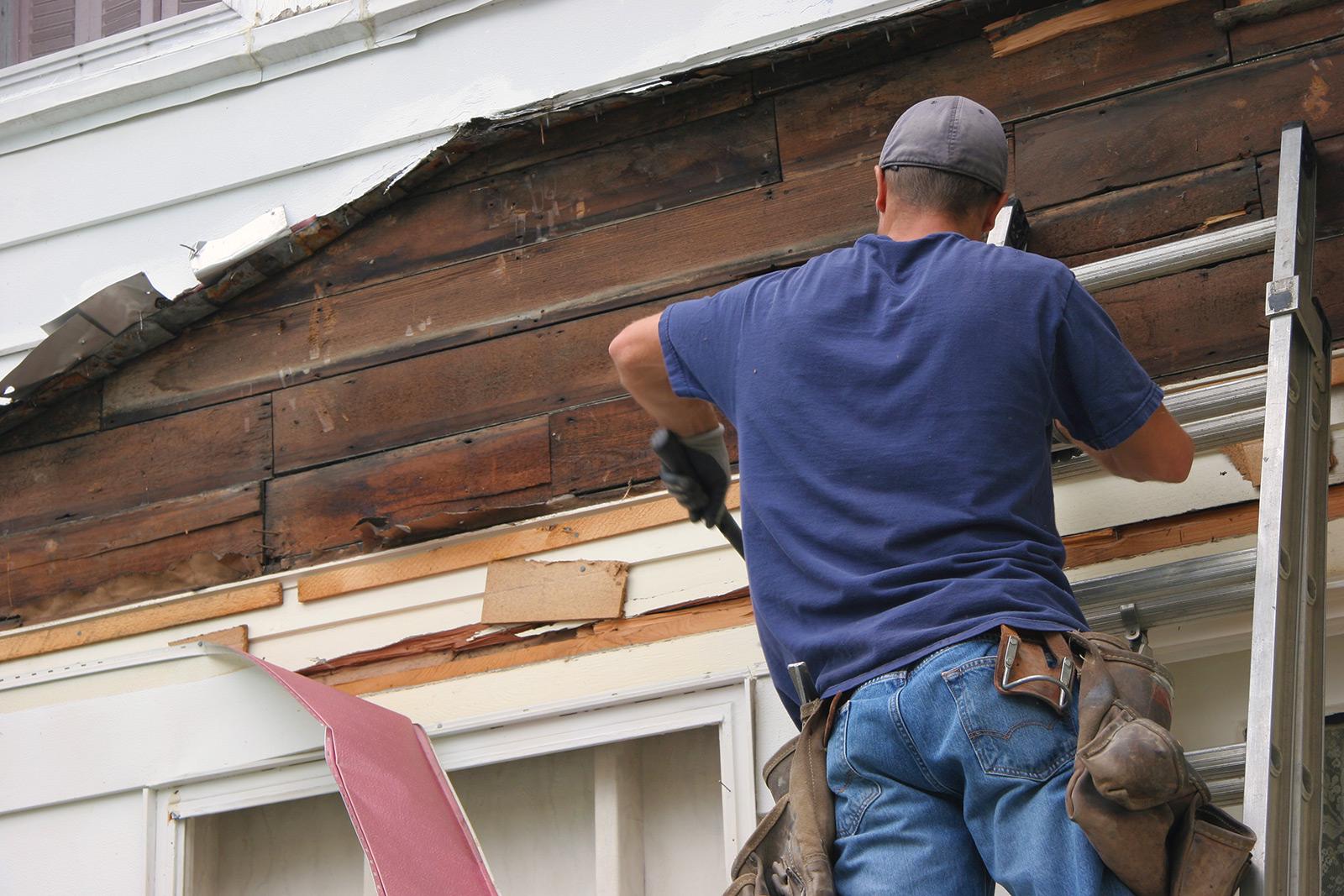
Submission Statement: Housing affordability includes the ability to improve and maintain said housing. Increased prices for home maintenance and improvement are a major contributor to cost of living issues and could be upstream from decreased housing supply if unaddressed.
wagoncirclermike on
A lot of pre-1940s housing was slapped together for factory workers and was never supposed to last more than 50-75 years.
The good stuff, the houses the wealthy built, are also full of asbestos, lead paint, gas lines for lights, and other wonderful things.
My wife and I would have loved a historic home, but in the end we found one that was 5 years old (former Habitat for Humanity build). It’s nothing fancy but at least it’s very efficient and we don’t have to worry about electrical wiring deciding to randomly catch fire in the walls.
Crownie on
My le durable goods… are le falling apart?
American houses have a long history of being quickly and cheaply built, which is not actually a problem if you can turn over the housing stock at a reasonable pace.
Spartan-24 on
Go to any video of a newbuild house being built online and the comments are always talking about how these houses back then were way better quality it’s sad
MAELATEACH86 on
My whole small “city” is full of tired and worn houses built between the 1920s and 1960s. They have small yards, are reasonably sized for a small family, and are close together. Yet they’re too old and many haven’t been kept up enough.
Meanwhile all new development is happening on the outskirts of town. 2500 square feet. Stupidly big front yards. Prices twice as high as anywhere else.
More housing isn’t equating to lower prices.
tjrileywisc on
Half of the homes in my city are 75 years old this year – qualifying them for historical commission review before any demolition can begin. Half of my city is definitely not historic.

6 Comments
Submission Statement: Housing affordability includes the ability to improve and maintain said housing. Increased prices for home maintenance and improvement are a major contributor to cost of living issues and could be upstream from decreased housing supply if unaddressed.
A lot of pre-1940s housing was slapped together for factory workers and was never supposed to last more than 50-75 years.
The good stuff, the houses the wealthy built, are also full of asbestos, lead paint, gas lines for lights, and other wonderful things.
My wife and I would have loved a historic home, but in the end we found one that was 5 years old (former Habitat for Humanity build). It’s nothing fancy but at least it’s very efficient and we don’t have to worry about electrical wiring deciding to randomly catch fire in the walls.
My le durable goods… are le falling apart?
American houses have a long history of being quickly and cheaply built, which is not actually a problem if you can turn over the housing stock at a reasonable pace.
Go to any video of a newbuild house being built online and the comments are always talking about how these houses back then were way better quality it’s sad
My whole small “city” is full of tired and worn houses built between the 1920s and 1960s. They have small yards, are reasonably sized for a small family, and are close together. Yet they’re too old and many haven’t been kept up enough.
Meanwhile all new development is happening on the outskirts of town. 2500 square feet. Stupidly big front yards. Prices twice as high as anywhere else.
More housing isn’t equating to lower prices.
Half of the homes in my city are 75 years old this year – qualifying them for historical commission review before any demolition can begin. Half of my city is definitely not historic.