The Angolan government’s decision to raise the price of subsidized fuel by 33% has sparked some of the worst violence in the country since the end of the civil war, in 2002.
The price hike to $0.40/liter was badly received in a country where the average monthly wage stands at $75, but where wealth and income inequalities are among the highest in the world. Despite Luanda being one of the most expensive cities in Africa due to the oil boom, Angolan population remains largely impoverished, with one of the lowest life expectancies in the world, more than half the population below the poverty line, and one of the highest infant mortality rates in the world.
Angola, which is Africa’s second-largest oil producer and is highly dependent on resource extraction, entered a prolonged period of economic stagnation in the mid-2010s, and the government’s failed promise to increase the average monthly salary from 70,000 kwanza ($75) to 100,000 by June 2025 did not materialize, fueling frustration over the country’s economic vows and lack of political perspectives, in a country that has been led since independence in 1975 by the Marxist-turned-social democratic MPLA.
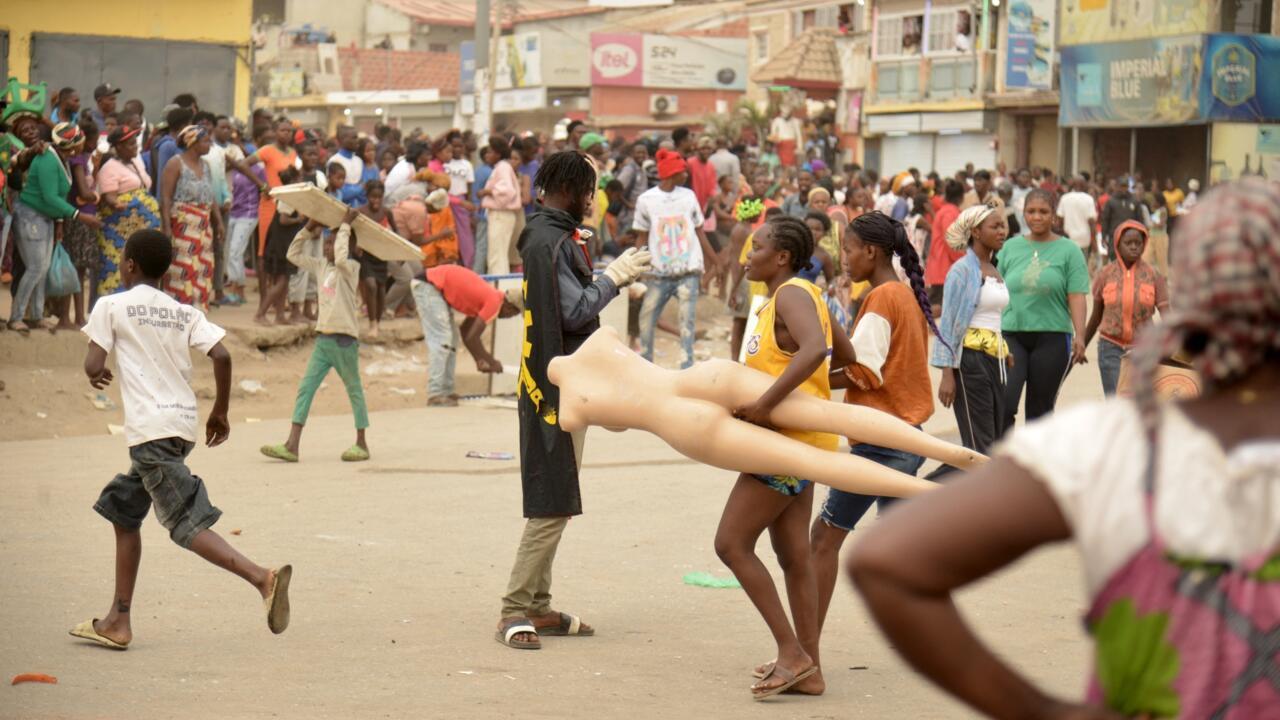
The violence started on Monday with an initial three-day strike by the taxi drivers (candongueiros), which then spiralled into deadly clashes between protesters, government forces, and rioters. By Wednesday, 22 people had been confirmed killed, hundreds of shops and buildings had been looted, and the capital city Luanda reportedly “at a standstill”.

1 Comment
!ping AFRICA
The Angolan government’s decision to raise the price of subsidized fuel by 33% has sparked some of the worst violence in the country since the end of the civil war, in 2002.
The price hike to $0.40/liter was badly received in a country where the average monthly wage stands at $75, but where wealth and income inequalities are among the highest in the world. Despite Luanda being one of the most expensive cities in Africa due to the oil boom, Angolan population remains largely impoverished, with one of the lowest life expectancies in the world, more than half the population below the poverty line, and one of the highest infant mortality rates in the world.
Angola, which is Africa’s second-largest oil producer and is highly dependent on resource extraction, entered a prolonged period of economic stagnation in the mid-2010s, and the government’s failed promise to increase the average monthly salary from 70,000 kwanza ($75) to 100,000 by June 2025 did not materialize, fueling frustration over the country’s economic vows and lack of political perspectives, in a country that has been led since independence in 1975 by the Marxist-turned-social democratic MPLA.
The violence started on Monday with an initial three-day strike by the taxi drivers (candongueiros), which then spiralled into deadly clashes between protesters, government forces, and rioters. By Wednesday, 22 people had been confirmed killed, hundreds of shops and buildings had been looted, and the capital city Luanda reportedly “at a standstill”.