> For Leila, a 30-year-old university graduate from Lorestan province — one of Iran’s poorest regions and a recent hotspot of anti-regime unrest — the debates that rage in cities over hijabs and women’s dress restrictions feel remote. What matters most, she said, is survival. In Borujerd, a city of about 230,000, Leila and her sister live on their mother’s monthly pension of 180mn rials (roughly $130), barely enough to buy the family’s food and medicine. “Our issue is bread,” Leila, who wears a hijab, said. “It has become a huge battle just to secure enough food. And if you want to find a job, there are almost none.” With living standards in the Islamic republic falling to historic lows in recent months, this sense of desperation has now burst on to the streets — spiralling into the biggest round of protests in Iran in several years. But while most large protest movements over the past two decades have been built around the pro-democracy demands of the urban middle class, the epicentre this time has shifted to the poor neighbourhoods, provincial cities and towns where Iran’s economic pain is most acute.
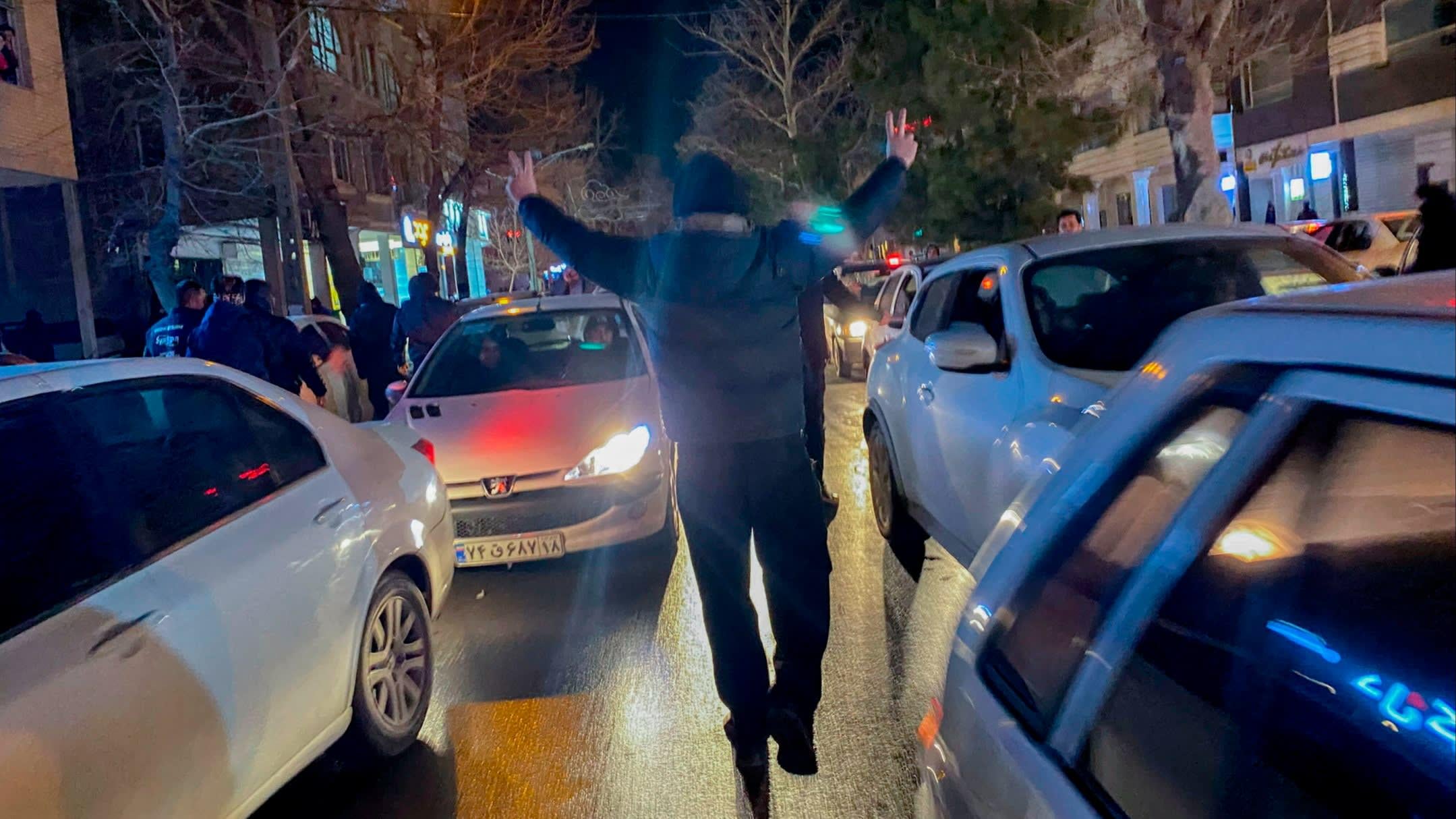
> In Borujerd and elsewhere, protesters have over the past week chanted slogans against the regime and its supreme leader Ayatollah Ali Khamenei, including “death to the Islamic republic” — underscoring many Iranians’ anger towards their theocratic leadership. Demonstrations have often turned violent, with security forces clashing with protesters, deploying tear gas and allegedly using live fire. Dozens have been arrested and injured, and though Iran’s state media have so far confirmed 14 deaths, the toll remains unclear.
Sarhad Karami, a poet from the western Kurdish town of Shahabad in Kermanshah province, posted a recent video to Instagram showing injuries he said were caused by pellet bullets fired by security forces. “We only said we are hungry. Our children cannot get married,” he said. “Is this the answer to all the sacrifices these people have made . . . pellet bullets?”
> Iran’s enemies are watching closely, with the Islamic republic at its most vulnerable in years. Many Iranians fear that Israel, which had called on Iranians to rise up during Israel’s 12-day war against the republic in June, could launch a fresh attack at any time. And President Donald Trump warned last week the US would “rescue” protesters if Tehran responded violently, repeating his threat in the wake of the American capture of Iran’s ally Venezuelan President Nicolás Maduro. “If they start killing people like they have in the past, I think they are going to get hit very hard by the United States,” Trump said.
> While Iran’s economy has for years been hobbled by US sanctions, mismanagement and corruption, conditions deteriorated sharply in the wake of the June war. The currency has since lost about 40 per cent of its value, while annual inflation rose to 42 per cent in December. Food inflation rose 72 per cent over the same period, with the price of bread rising 113 per cent. “This is the uprising of the periphery against the core: people who have no representation within the system and whom nobody sees,” said Saeed Laylaz, an analyst of Iran’s political economy. “For city dwellers, inflation is in the double digits, but for those in smaller towns it is triple-digit, because their main staple is bread. They are literally losing purchasing power every single month.” The protests were triggered in late December by shopkeepers in central Tehran, before spreading to universities and beyond the major cities.
> Funerals of those killed during protests have become a particular flashpoint. In Malekshahi, a town of 21,000 people in the western Ilam province, mourners for three victims chanted anti-regime slogans on Sunday. In Marvdasht, a southern city of around 150,000 people near the ancient ruins of Persepolis, the funeral of a protester turned into one of the largest recent anti-government gatherings. The demonstrations are the biggest since the 2022 Woman, Life, Freedom movement, which was sparked by the death of a woman in police custody for allegedly improperly wearing a hijab. More than 300 people died during those demonstrations, according to Amnesty International. The protests were followed by a significant relaxation of women’s dress restrictions. Women now walk without the hijab in major cities such as Tehran, and social freedoms have been expanded further since the June war.
> While authorities have acknowledged protesters’ economic grievances, they have sought to blame the unrest and anti-regime slogans on foreign interference. The country’s police chief on Sunday said protest “leaders” active on social media and on the ground had been arrested and confessed to receiving “dollars”.
The judiciary chief added on Monday that, because of US and Israeli support for the unrest, there would be “no concessions” to “rioters”. Yet such threats have had little deterrence. Despite its breadth, the current wave of protest remains leaderless and smaller in number than previous uprisings. Taghi Azad Aramaki, a sociologist, said addressing the high prices, inefficiency, mismanagement and corruption behind the demonstrations would require “very big steps” and “difficult and painful” reforms.
> So far, President Masoud Pezeshkian’s reformist government has moved to overhaul its subsidy system, replacing a long-standing policy of providing cheap foreign currency to importers — widely blamed for corruption and distorting markets — with direct household support. Under the new plan, which will expand an existing scheme, some 90 per cent of the country’s 88mn people will from next week receive food vouchers worth 10mn rials per month, according to Iran’s minister of social welfare Ahmad Meydari. “Iran’s economy has faced two major shocks in recent years: extensive sanctions and the 12-day war,” Meydari said, adding that many of the past year’s problems stemmed from those pressures. The economy minister has also promised low-interest bank loans for poorer households.
> But with oil prices declining, revenues shrinking and the economy contracting, the government does not have the capacity to engage in the large spending deployed during previous crises. In Lorestan, the measures seem too little too late. It has some of the highest unemployment rates in the country, according to one of its MPs, Reza Sepahvand. “High unemployment plus high inflation have led to a high misery rate in the province,” he told domestic media last month. For Leila, the assistance feels painfully inadequate. Her family will be entitled to 30mn rials a month in food vouchers — little more than enough to buy rice, she said. “This is nothing. What about the rest of our needs? What about my mother’s medication?” she said. “I told my mum she can cry day and night. We are no longer simply poor. We are far below the level of poverty we have always lived under.”

1 Comment
SS: further expansion of Iranian protests.
> For Leila, a 30-year-old university graduate from Lorestan province — one of Iran’s poorest regions and a recent hotspot of anti-regime unrest — the debates that rage in cities over hijabs and women’s dress restrictions feel remote. What matters most, she said, is survival. In Borujerd, a city of about 230,000, Leila and her sister live on their mother’s monthly pension of 180mn rials (roughly $130), barely enough to buy the family’s food and medicine. “Our issue is bread,” Leila, who wears a hijab, said. “It has become a huge battle just to secure enough food. And if you want to find a job, there are almost none.” With living standards in the Islamic republic falling to historic lows in recent months, this sense of desperation has now burst on to the streets — spiralling into the biggest round of protests in Iran in several years. But while most large protest movements over the past two decades have been built around the pro-democracy demands of the urban middle class, the epicentre this time has shifted to the poor neighbourhoods, provincial cities and towns where Iran’s economic pain is most acute.
> In Borujerd and elsewhere, protesters have over the past week chanted slogans against the regime and its supreme leader Ayatollah Ali Khamenei, including “death to the Islamic republic” — underscoring many Iranians’ anger towards their theocratic leadership. Demonstrations have often turned violent, with security forces clashing with protesters, deploying tear gas and allegedly using live fire. Dozens have been arrested and injured, and though Iran’s state media have so far confirmed 14 deaths, the toll remains unclear.
Sarhad Karami, a poet from the western Kurdish town of Shahabad in Kermanshah province, posted a recent video to Instagram showing injuries he said were caused by pellet bullets fired by security forces. “We only said we are hungry. Our children cannot get married,” he said. “Is this the answer to all the sacrifices these people have made . . . pellet bullets?”
> Iran’s enemies are watching closely, with the Islamic republic at its most vulnerable in years. Many Iranians fear that Israel, which had called on Iranians to rise up during Israel’s 12-day war against the republic in June, could launch a fresh attack at any time. And President Donald Trump warned last week the US would “rescue” protesters if Tehran responded violently, repeating his threat in the wake of the American capture of Iran’s ally Venezuelan President Nicolás Maduro. “If they start killing people like they have in the past, I think they are going to get hit very hard by the United States,” Trump said.
> While Iran’s economy has for years been hobbled by US sanctions, mismanagement and corruption, conditions deteriorated sharply in the wake of the June war. The currency has since lost about 40 per cent of its value, while annual inflation rose to 42 per cent in December. Food inflation rose 72 per cent over the same period, with the price of bread rising 113 per cent. “This is the uprising of the periphery against the core: people who have no representation within the system and whom nobody sees,” said Saeed Laylaz, an analyst of Iran’s political economy. “For city dwellers, inflation is in the double digits, but for those in smaller towns it is triple-digit, because their main staple is bread. They are literally losing purchasing power every single month.” The protests were triggered in late December by shopkeepers in central Tehran, before spreading to universities and beyond the major cities.
> Funerals of those killed during protests have become a particular flashpoint. In Malekshahi, a town of 21,000 people in the western Ilam province, mourners for three victims chanted anti-regime slogans on Sunday. In Marvdasht, a southern city of around 150,000 people near the ancient ruins of Persepolis, the funeral of a protester turned into one of the largest recent anti-government gatherings. The demonstrations are the biggest since the 2022 Woman, Life, Freedom movement, which was sparked by the death of a woman in police custody for allegedly improperly wearing a hijab. More than 300 people died during those demonstrations, according to Amnesty International. The protests were followed by a significant relaxation of women’s dress restrictions. Women now walk without the hijab in major cities such as Tehran, and social freedoms have been expanded further since the June war.
> While authorities have acknowledged protesters’ economic grievances, they have sought to blame the unrest and anti-regime slogans on foreign interference. The country’s police chief on Sunday said protest “leaders” active on social media and on the ground had been arrested and confessed to receiving “dollars”.
The judiciary chief added on Monday that, because of US and Israeli support for the unrest, there would be “no concessions” to “rioters”. Yet such threats have had little deterrence. Despite its breadth, the current wave of protest remains leaderless and smaller in number than previous uprisings. Taghi Azad Aramaki, a sociologist, said addressing the high prices, inefficiency, mismanagement and corruption behind the demonstrations would require “very big steps” and “difficult and painful” reforms.
> So far, President Masoud Pezeshkian’s reformist government has moved to overhaul its subsidy system, replacing a long-standing policy of providing cheap foreign currency to importers — widely blamed for corruption and distorting markets — with direct household support. Under the new plan, which will expand an existing scheme, some 90 per cent of the country’s 88mn people will from next week receive food vouchers worth 10mn rials per month, according to Iran’s minister of social welfare Ahmad Meydari. “Iran’s economy has faced two major shocks in recent years: extensive sanctions and the 12-day war,” Meydari said, adding that many of the past year’s problems stemmed from those pressures. The economy minister has also promised low-interest bank loans for poorer households.
> But with oil prices declining, revenues shrinking and the economy contracting, the government does not have the capacity to engage in the large spending deployed during previous crises. In Lorestan, the measures seem too little too late. It has some of the highest unemployment rates in the country, according to one of its MPs, Reza Sepahvand. “High unemployment plus high inflation have led to a high misery rate in the province,” he told domestic media last month. For Leila, the assistance feels painfully inadequate. Her family will be entitled to 30mn rials a month in food vouchers — little more than enough to buy rice, she said. “This is nothing. What about the rest of our needs? What about my mother’s medication?” she said. “I told my mum she can cry day and night. We are no longer simply poor. We are far below the level of poverty we have always lived under.”