
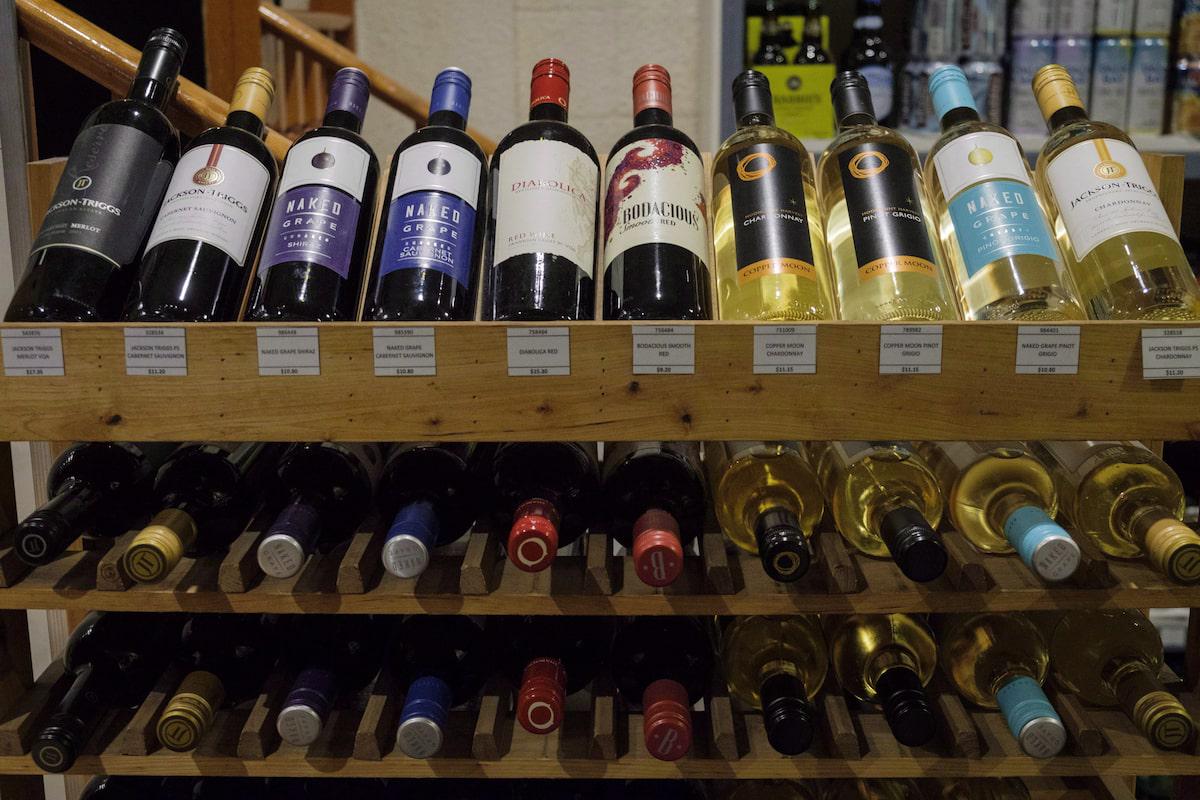
Pour a tall glass and raise it in hearty cheers to the provinces who have finally agreed to remove the barriers to selling alcohol to each other. It only took 17 months. Or is that 159 years?
Those barriers should have been eliminated at the start of Confederation. Instead, it took Donald Trump’s trade war to spur the provinces into action, if “spur” is the correct verb for a leisurely 17-month effort.
Under an agreement signed last month, nine provinces – all except for Quebec – signed the agreement that will allow breweries, wineries and distilleries to sell alcohol outside of the provinces where they are based.
The premiers signed the agreement one day after Mr. Trump threatened to put a 50-per-cent tariff on a wide-range of Canadian goods, including alcohol.
“In the face of President Trump’s latest tariffs, it’s more important than ever that Team Canada work together to build a more united, resilient and self-reliant Canadian economy,” Ontario Premier Doug Ford said in a statement.
Knocking down barriers to interprovincial trade through such measures as a direct-to-consumers alcohol sales agreement is, in principle, an excellent idea.
With no end in sight to Mr. Trump’s trade war, producers’ ability to reach new markets should not be hampered. A brewer in Alberta with a great beer to sell should be free to sell it to customers in Ontario or anyone else in the country who might want it.
At a time when free trade with the U.S. is under some new attack seemingly every few months, if not every few weeks, lifting roadblocks to free trade within Canada is of vital importance.
Before the celebrations get started, there are just a couple of problems with this new agreement intended to allow booze to flow freely. According to the agreement, provinces can apply a charge to the direct-to-consumer sale of alcohol. These charges can include not only sales taxes and environmental charges, but also “fees” and “mark-ups.”
A “Destination Province may require a Producer to collect, pay, and remit to the Destination Province any charge that applies to the DTC Sale of Beverage Alcohol into its territory,” the agreement states.
That sounds suspiciously like a tariff. In fact, it sounds exactly like a tariff.
But the whole point of coming up with this agreement was the hand-wringing caused by the need to counter Mr. Trump’s tariffs and their harmful consequences for Canadian industry.
So why are provinces fighting Mr. Trump’s tariffs by coming up with their own for each other?
One reason may be to protect their lucrative revenue streams, whether that is the Liquor Control Board of Ontario, BC Liquor Stores or other provincial retail or wholesale operations.
The easier and cheaper it becomes for producers in one province to sell their alcohol to consumers in another, the more the bottom lines of these provincial bodies are likely to suffer.
That isn’t an argument in favour of protecting their profits. It is an argument for provinces to get out of the retail alcohol business.
Alberta moved to privatize its government liquor stores in 1993. When it did so, the selection of available products skyrocketed and alcohol sales remained a significant source of tax revenue.
Now that easing interprovincial trade has become a priority, that must come with rethinking how and why government monopolies are operated. Not allowing one province to charge fees or markups on products from another province is a starting point.
There is another pretty fundamental flaw to what the premiers just signed. None of it is legally binding. It’s right there near the bottom. “This Agreement sets out the understanding of the Parties with respect to their cooperation and does not create any legal obligations or enforceable rights,” the agreement says.
So, to sum up: the provinces have, after a year and a half, agreed to free trade in alcohol. Unless they choose to slap tariff-like fees on any purchases. And unless they choose to scrap the entire idea whenever the mood strikes them. In truth, the premiers have concocted a nasty cocktail of political posturing, and prioritizing provincial concerns over the needs of consumers and the national economy.
Posted by IHateTrains123
2 Comments
Canada’s internal tariffs and trade controls will never not baffle the fuck out of me.
Such an egregious self-own.
I miss my Quebec beer.